lesson
Lesson 1
1. Visual literacy
Light is an experience, an experience creates an emotion.
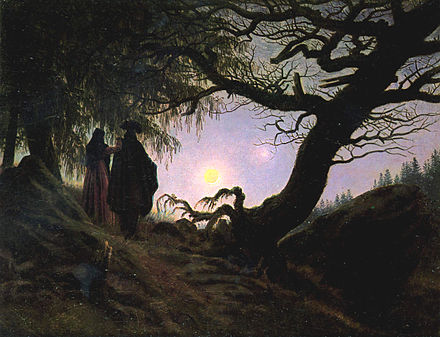
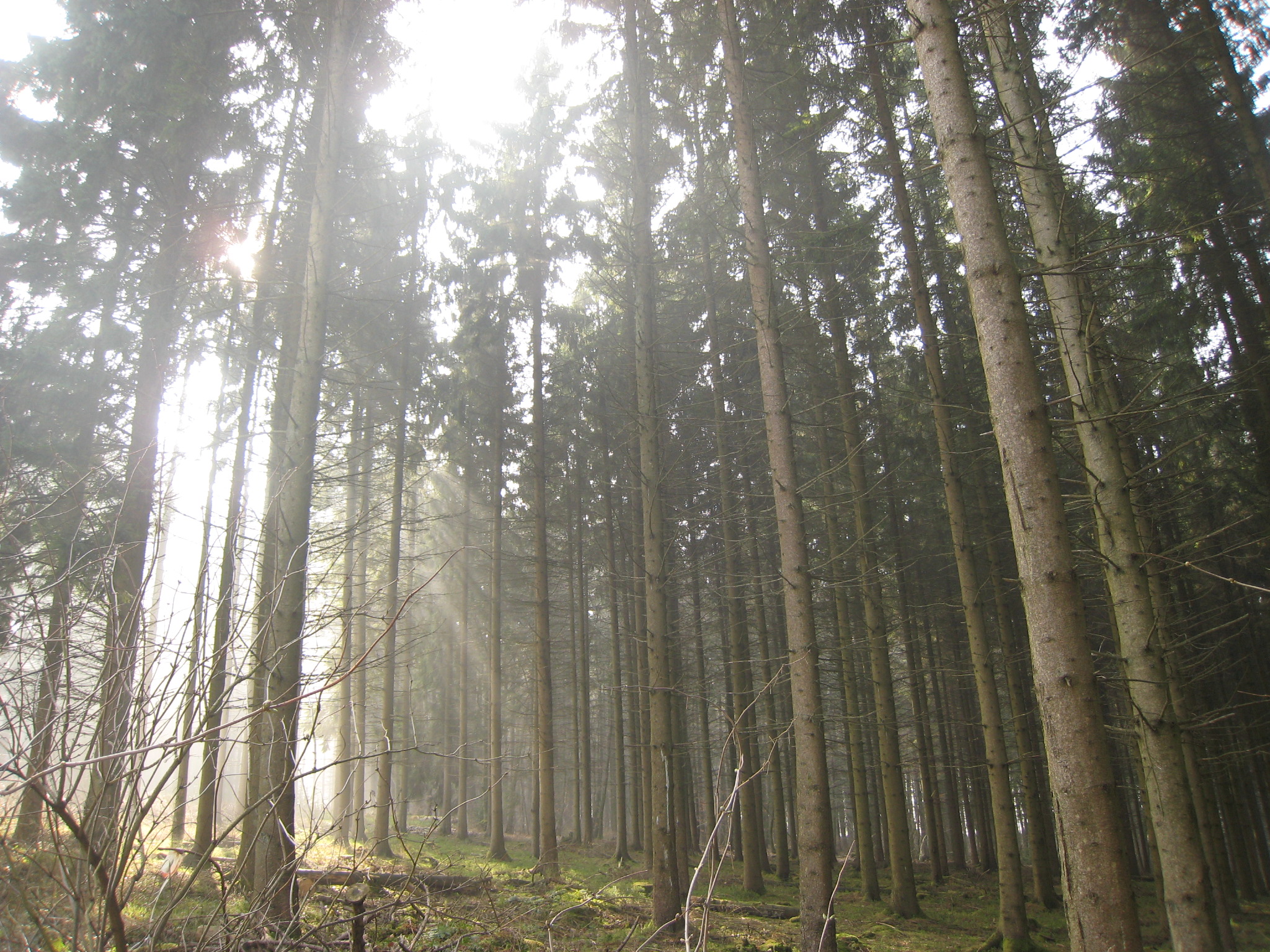
Light is a natural phenomenon and it nourishes all life on our planet. We have never experienced a day, in which the sun didn’t rise. We cannot live without it, it is vital to our survival. Everybody knows the power of our natural light, consciously and unconsciously. Looking at a sunset or the image of the low sun shining through trees can produce a sense of inner peace and happiness, which is much deeper than what only the mind perceives. There is a good reason that nature is often the greatest inspiration source of lighting designers, lighting artists and painters. Light makes us perceive. Sensing light is also an experience and this experience creates an emotion.
It is this quality of feeling or sensing light that is particularly difficult to define, but which I believe to be the core of lighting quality and light design.
The physical process, by which humans perceive light, is complemented by activity of their brain that bestows a meaning to the impulses that have been received through the eyes. One has to learn how the data should be interpreted. Not only in the long run as what is to be recognized should be within the realm of culture in relation to our knowledge, but also in the short term as the qualities of light are perceived in dependency on the surrounding environment.
Sight has an enormous capability of adaptation. Actually, there is too much of information coming in, the brain is not capable to process it all and so the information is filtered. What is filtered and what is interpreted is the work of brain that decides to its own designs and conditions. The brain had to learn it. Thus how we see something is determined to a large extent by what has been seen before.
The physical process of seeing is influenced by our cultural background. Watching and using light is communication too.
We know that some people have better fantasy, they can create images in their heads better than the others. They even can create visual pieces of art that are applauded by others. Or perhaps we only judge it according to its success. An artist communicates these ideas to audience through tools of his art field. As the actor and spectator communicate even when only in one direction (the applause being a conclusion of this communication in the other direction), there are some basic similarities that lies at the base of any communication as such.
“One cannot not communicate.” Because every behaviour is a kind of communication, people who are aware of each other are constantly communicating. Any perceivable behaviour, including the absence of action, has the potential to be interpreted by other people as having some meaning. There are several channels of communication where one endorses the other. In everyday communication, the content of the words is complemented with gestures, relation, facial expression, posture, which happens as well within the frame of a lighting scene, where visibility of other means of communication is a key factor for endorsing the content of words. This content also expresses relation to the one who listens and is watching. In everyday life, the words not only transmit information about the world, they also form bonds of relation, they create and maintain them.
The way the scene is lit might endorse or kill the action that takes place within the scene. It may help considerably to a spectator to understand and process the words of an actor.
If performing is a form of communication, framing of a scene with light is a strong expressive mean.
A lighting designer is thus engaged in visual communication. For better understanding of the process, the knowledge of cultural circumstances might be beneficial, although there were certainly many good artists who didn’t care about it at all.
Visual literacy
In the complicated universe of human society, light and colors play their respective parts. They mainly remain hidden from the attention, being more a component of the structure that determines the everyday life than something specific, to which the attention is paid in that span of awareness dealing with matters of common importance. This had been understood by many cultures and that is the reason why God uttered “γενηθήτω φῶς” (“let there be light”) while creating the world as it is one of its founding components, at least according to the biblical tradition. The visual literacy deals as well as with knowledge of determinants of visual perception as well as with communication and interpretation of visual messages. It is one possible angle of how to look at the world around us, of how to interpret it. To be aware of the visual literacy, to be knowledgeable of it refers to the competence of consciously interpreting visual information that is used in the communication process. As an analogy to reading, a more educated reader can discover a larger area of meaning in shorter time. Any writer who wants to create a literary piece work is usually also a good reader. Not all good readers are good writers, but almost all good writers are good readers. As a result of the analogy, we may fairly expect that an educated spectator has a better taste for nuances in lighting design. That he has a refined taste in the aesthetic of the performance, that he can detect, often create interpretation, meaning. As he has seen many performances, he can compare them, because he has developed improved memory for visual composition. An educated spectator is very likely to be visually literate.














2. History of light
Cultural and social historic use of light and theatre
2.1 Natural light
From natural light to artificial light
For the major part of human history, light played an important part in the transition of mankind from animal kingdom toward civilization and culture. There is an evidence of 1,9 million years of use of fire by predecessors of man. Practically, the invention of how to make fire was a leap forward in technology that can bear a comparison with landing on the moon.
However, throughout the large part of history, only natural sources of light like the sun, fire, light from stars, were available to man apart of bioluminescence, lightning etc. For our ancestors, the world as they understood it was a small patch of land, bounded perhaps by hills and by the blue line of the sea. Overhead, there was the sky and sun, a god, giving light and warmth. The moon was a lesser deity, shining with lesser light, and at night, there where the stars. Outside of their little universe, there laid unimagined mystery. Their time was structured according to the rhythm of day and night and years circles, of both the sun was the defining essential component. This structural position is also the base for metaphors that shape the worldview up to the present days.

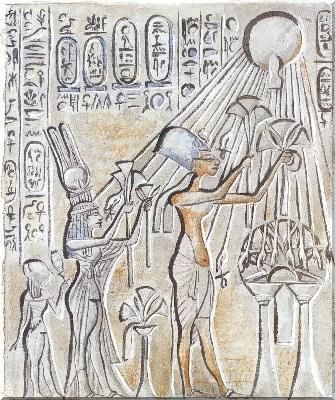
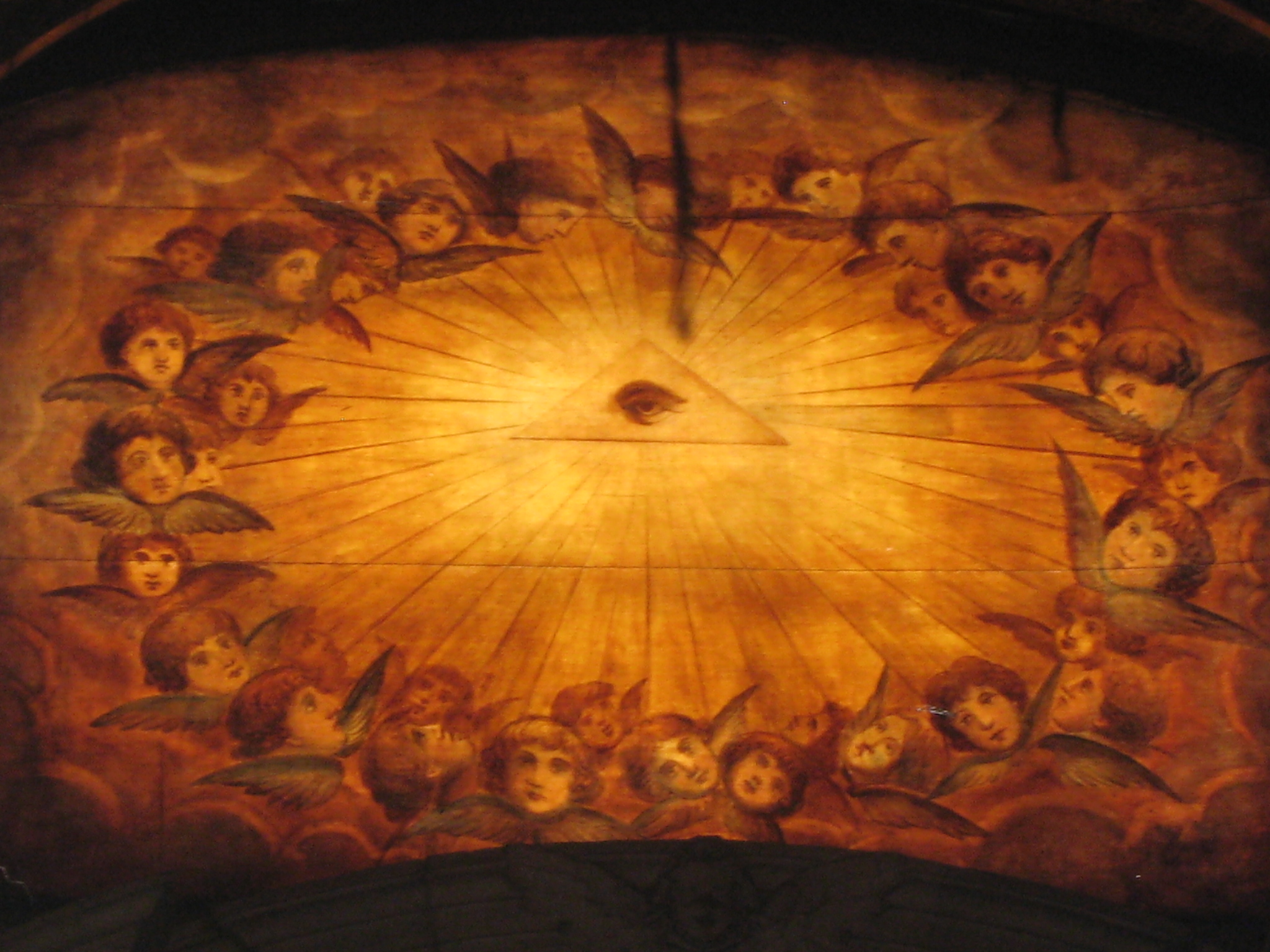
In many creationist myths, the light was considered to be the first thing that was made by God. Especially the cultures that settled down with agriculture-based economy largely worshipped the sun in the first phase of this development (Neolithic revolution). There is significantly deep meaning in the symbolism and symbolical relation between light and dark as light always served as a metaphor for wisdom and dark for ignorance and danger. It is simply based in the everyday life, it is not an arbitrary binary opposition- we would have troubles to imagine it in the opposite way. Light is thus a metaphor for understanding, for clear perception, inspiration. The light itself serves as a metaphor of wisdom from the beginnings of civilization up to the present days. A lack of light is a metaphor for fear, danger, fraud, deceit.
In the Greek mythology, the beginnings of civilization are connected to Prometheus who brought the fire (i.e. technology of producing heat and light) to the hands of humans, which made humans more independent from gods, and he was punished for it.
Already the first Greek philosophers who thought about nature created theories about the light, as for instance Euclid who formulated the law of reflection of light. One of the defining metaphors of Western Philosophy is located in the VII. book of Plato’s Republic, the Allegory of the Cave, where Socrates introduces his imagery of the human situation. First he depicts the situation of a prisoner who is chained to a wall, on which roam soldiers and he is only able to see the shadows that are cast by them onto the wall. “Such prisoners would deem reality to be nothing else than the shadows of the artificial objects.” (Republic 515c) What would happen if such a prisoner is released? Could he describe the world he sees to his former fellow prisoners? If what we see are shadows, what kind of a new world will the freed prisoner see?
As any allegory, there may be many possible readings, and let’s leave to each reader, what he discovers when he reads it. But its impact on the further development was deeply profound. In a way, it is rather an elaboration of the fundamental binary opposition: such basic distinction shapes the form of our perception in such a way that another form seems to be absurd at the first sight.
Religious preachers or Enlightenment philosophers stylize themselves into a role of those who bring the light. However, light might be brought by “light-bringing” (Lucifer) morning star. Similarly as with Prometheus, with the Lucifer who brings the light, we loose something important from the primordial innocence. There is also a mystical tradition throughout the entire history, in which sinking into the darkness leads to wisdom. Somehow, the light methaphor is inherently refused. There are other points of view where the enlighten reason is brought by demonic pride (superbia).
Pero el alma no se puede purificar plenamente de estas imperfecciones y de otras mientras Dios no la meta en la purgación pasiva de la noche Oscura.
Juan dela Cruz, La noche oscura del alma, Capítulo 3 .3
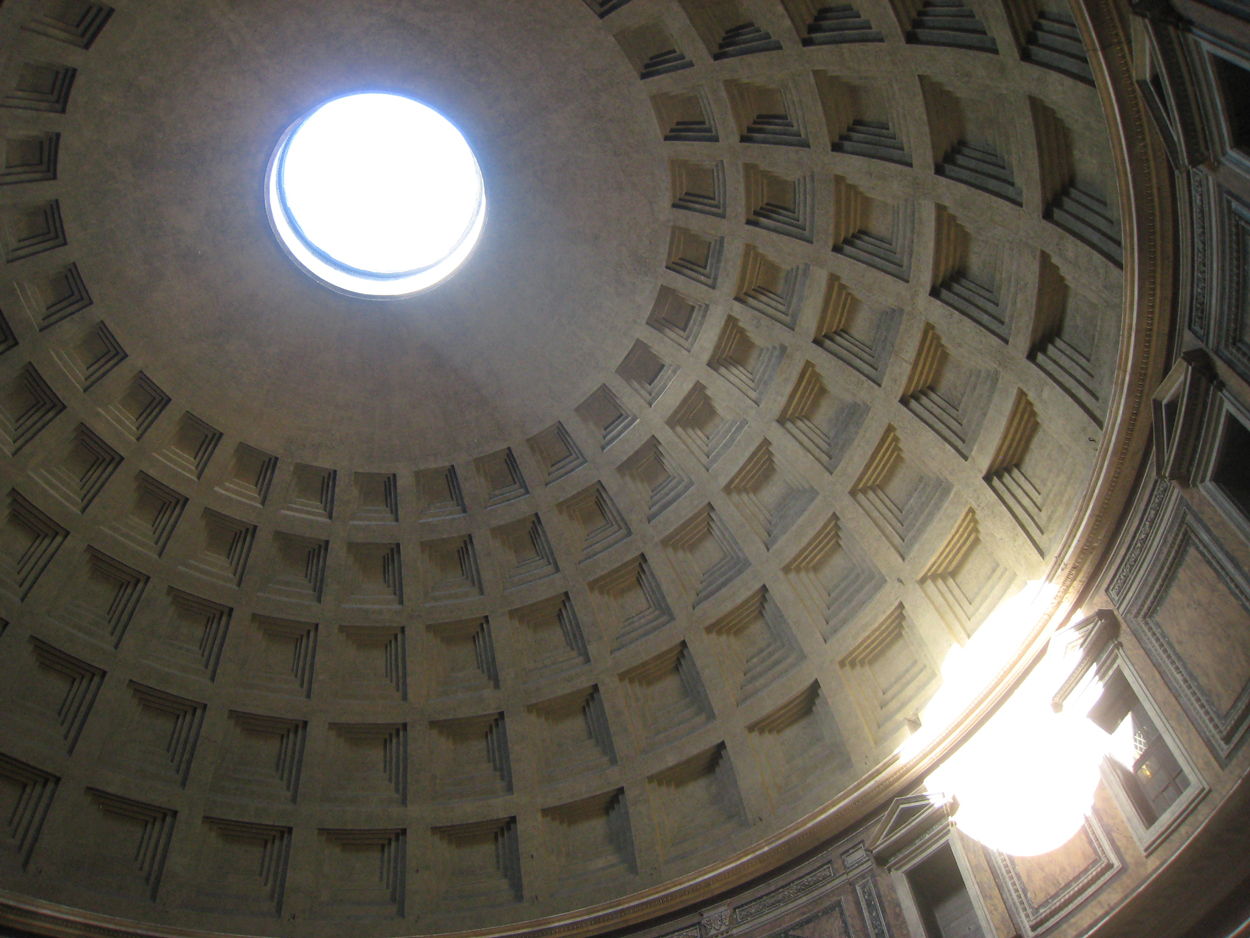
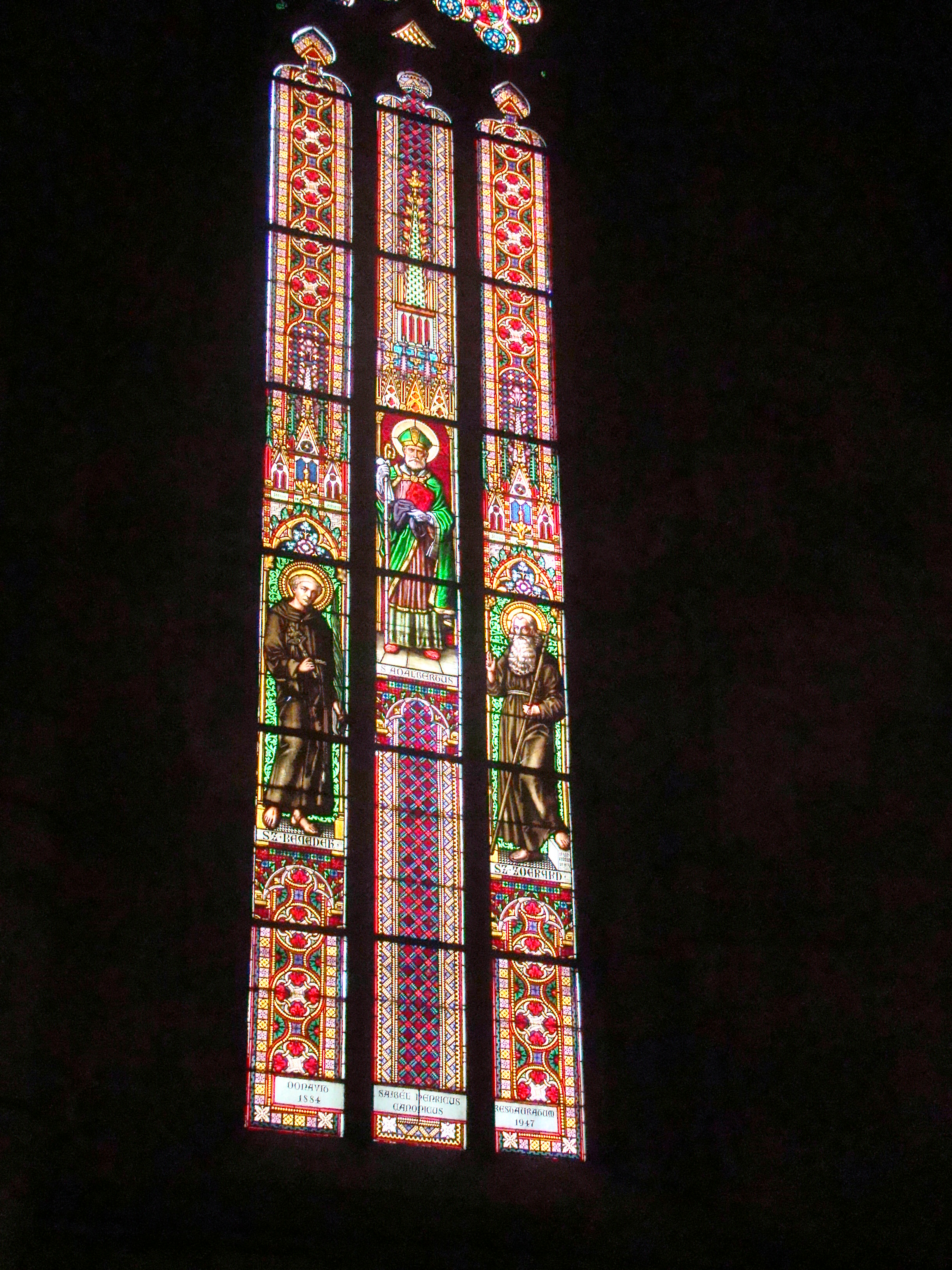
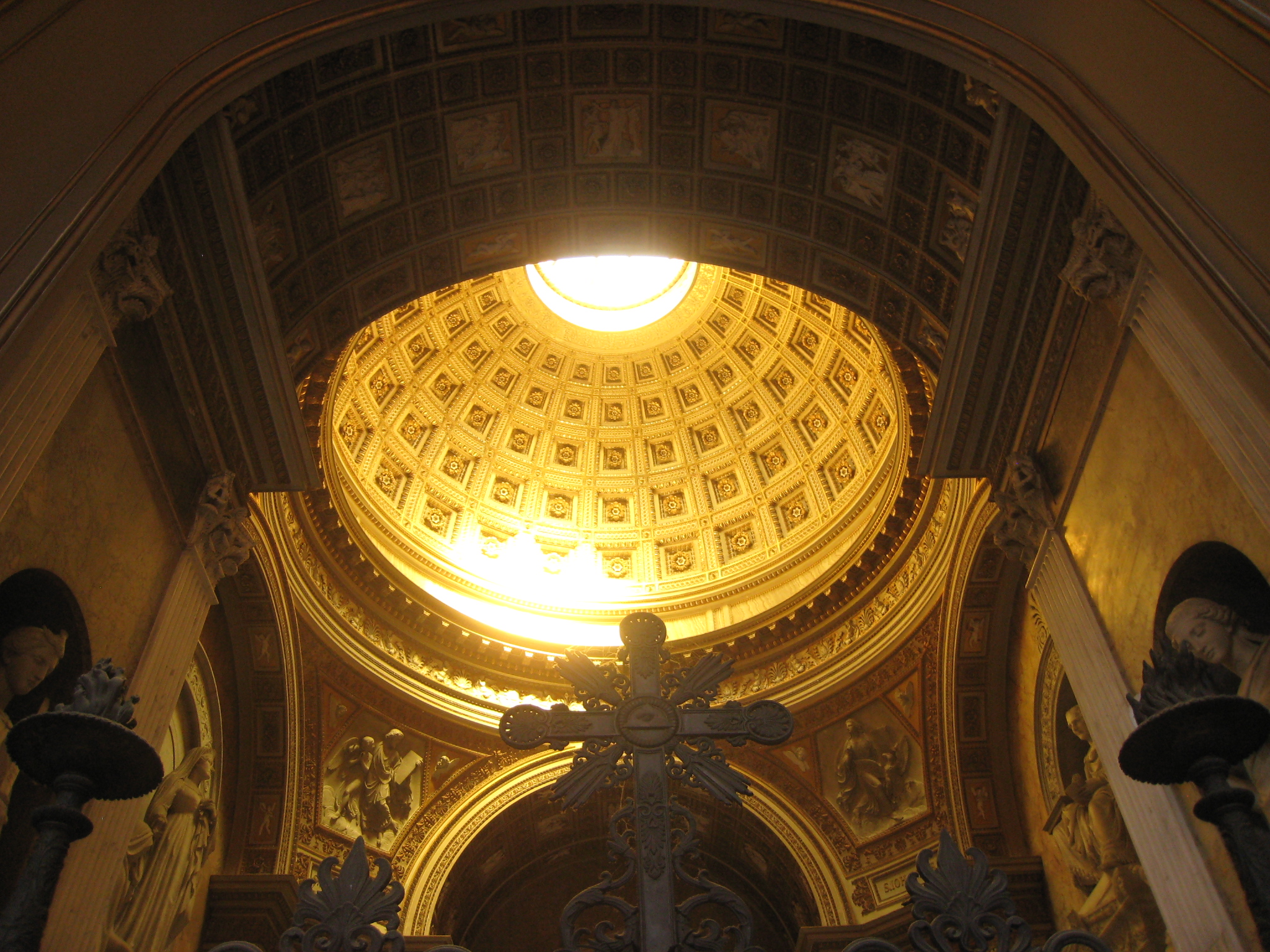
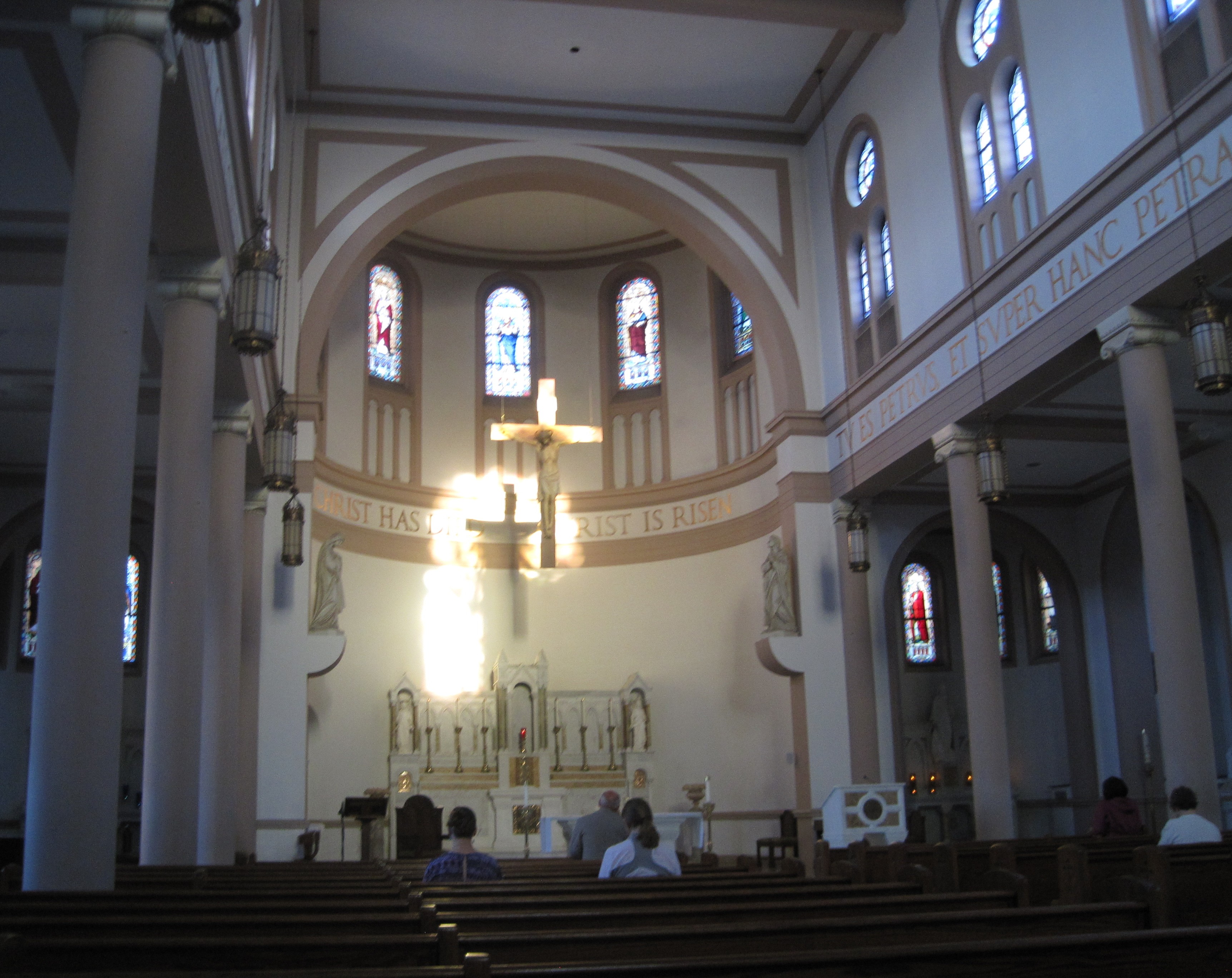
Natural light served not only to purposes of philosophical speculation. One of many possible examples of its use is how it was employed in a general layout of churches, which was a sort of an inverse lighting design so to speak. Figuratively speaking, they couldn’t move the sun as the source of light, so they adapted the building layout: churches of which choir and altar were oriented towards east and so when the believers entered the church every Sunday, low morning light shone onto the altar through the windows in the walls above it. Stained glass provided further embellishment also with the help of colored light. Later, Renaissance architects employed the light in the domes of churches.
Another key metaphor that was laying in the foundation of the modern era thinking was the idea of clarity, which was pioneered by René Descartes. In a thought experiment with possible limits of doubt, one of the conclusions, he draws, is “Omne est verum, quod clare et distincte percipio.” ( Truth is that which is clear and distinct.)
In the 18th century, Enlightenment philosophers laid foundations of modern day thinking that fueled rather rapid development in various fields. Of course, the central metaphor based on the distinction between light and dark was a construction, on which other points of worldview were further elaborated. Similarly, the historical metaphor depicts the ages, in which there were no education as Dark Ages with large influence of church onto the society, as a the opposite of the better, enlightened future. The era of technological innovation brought a new feature to the life of the society that changed it profoundly: artificial light.











2.2 Artificial light
One of the features of today’s society is life in artificial light. As men invented making light, they became its master. Before that they used to live in daylight and moonlight. Our life rhythm was connected with the cycle of day and night. These natural light sources were not static, on the contrary they changed during the day by intensity, direction and color. But when it became dark, all activities stopped. We could not control the light.
Fire

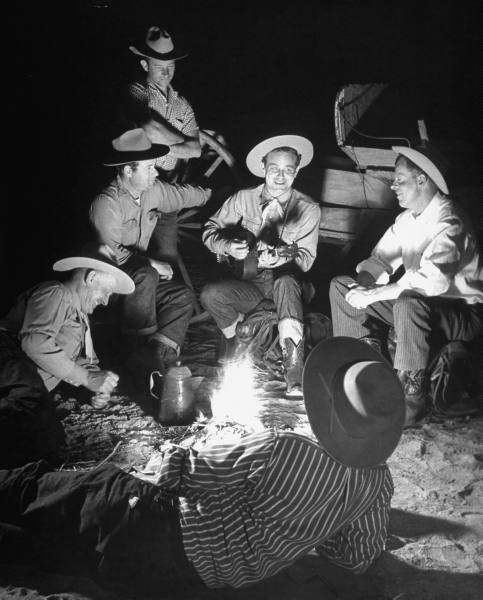
The first step made to control a light source was discovered by archeologists in a cave in South Africa of a campfire that was presumably used to cook food. This discovery is 200,000 years older than any other firm evidence of human-controlled fire. Because this cave also contains the remains of Homo erectus, it is believed that these hominids were perhaps the first to use fire. The campfire probably constituted early man’s first use of ‘artificial’ lighting. Firm evidence of controlled use of fire is dated back to one hundred thousand years ago. For the first time man gained some small degree of freedom from the blindness of night, and some small degree of safety from the fear of unseen wild beasts.
Torch
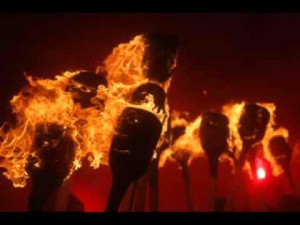
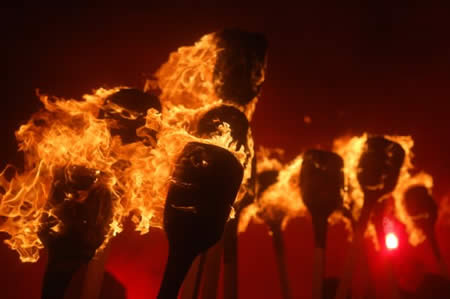
The torch was the first portable lamp. One of the earliest developments was the discovery that a bundle of sticks tied together made a blazing torch, producing brighter and longer lasting light. Man had finally learned to control fire and the human race was on the road to civilization.
Oil lamp

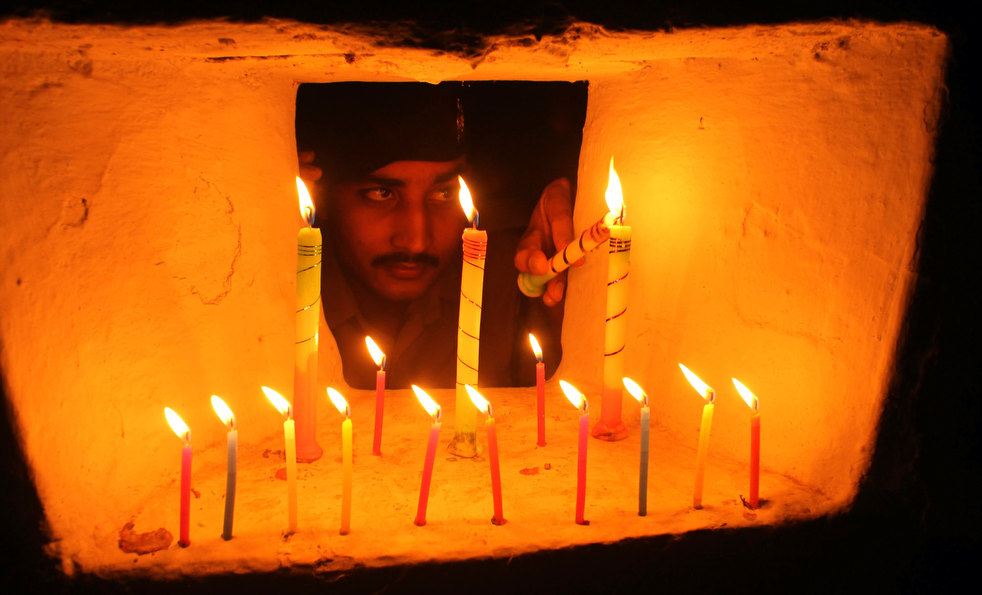
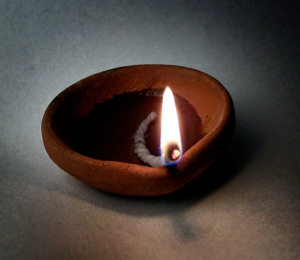
The oil lamp, consisting of an open (then later enclosed) saucer or pan filled with animal or vegetable fat and some form of porous wick, remained virtually unchanged for several millennia. It made life at night more easier. Now a days the oil lamp is still used in many cultures and for many occasions. It refers to cosines, feeling save, the flame gives warm flickering light and we prefer to have a romantic evening with candle light!
Candle
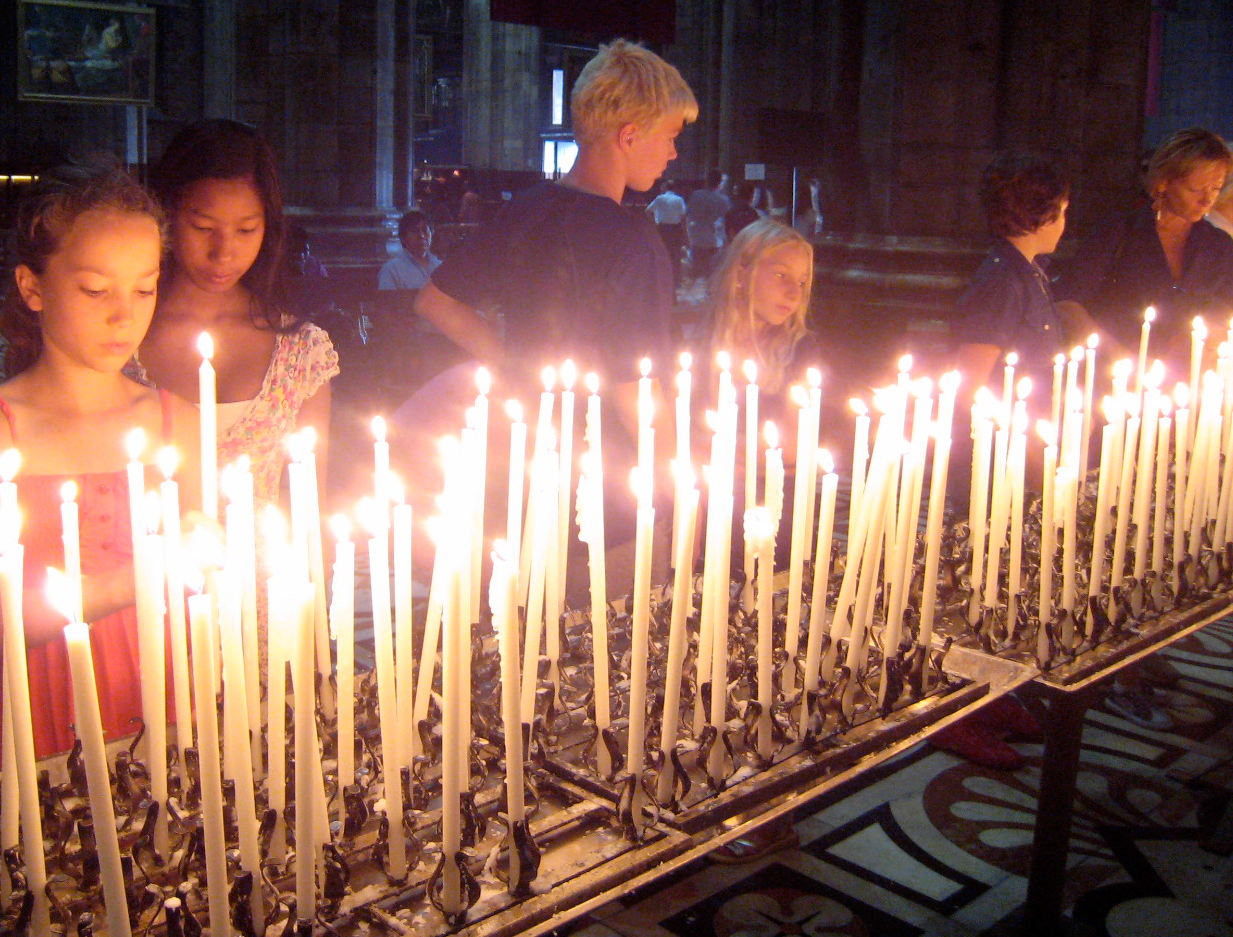
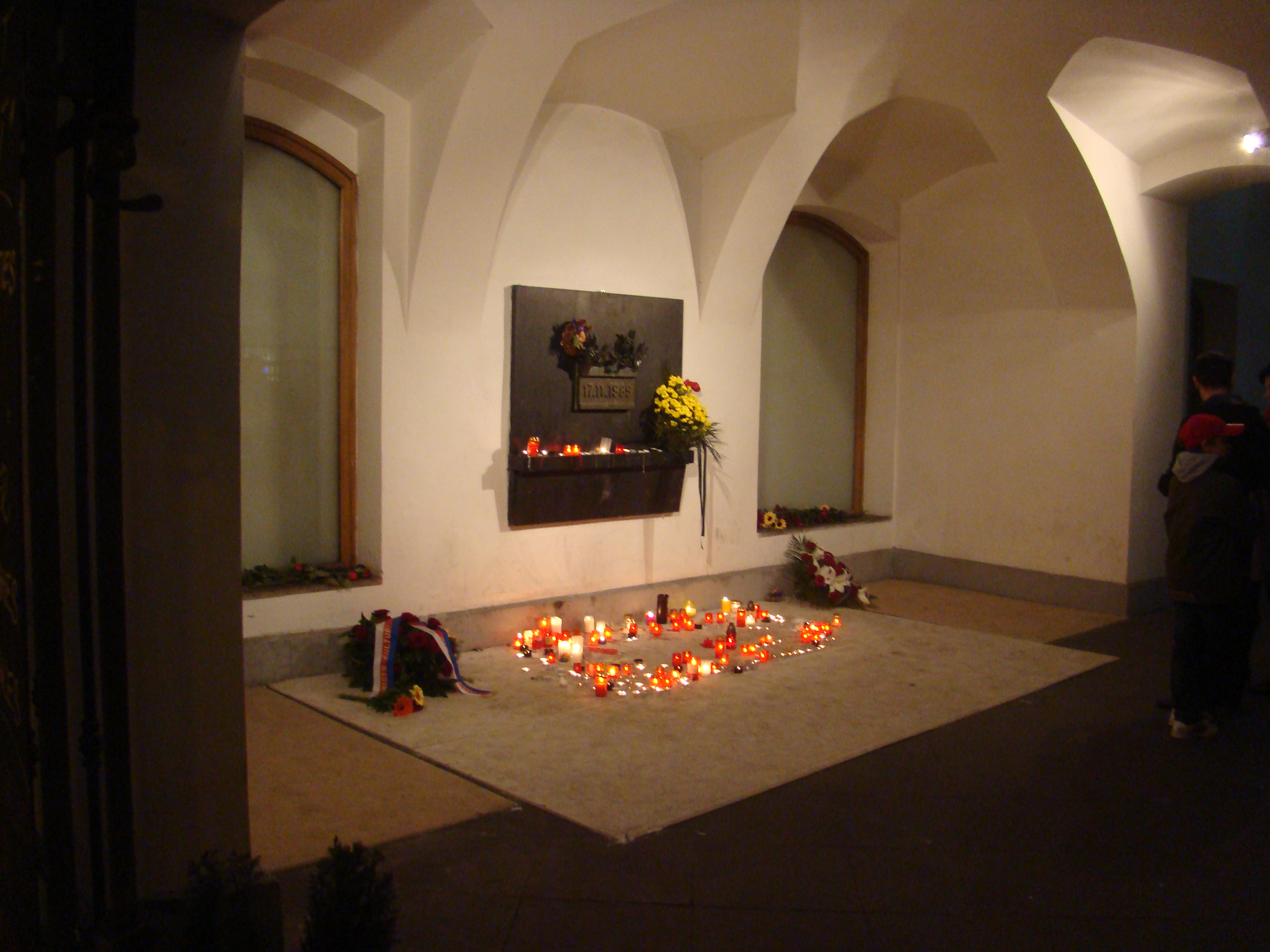
The invention of the candle dates back to about 400 A.D. Relatively few candles were used in the home until about the 14th Century, however they were an important symbol of the Christian religion. The best candles were made of beeswax and were used chiefly in church rituals because the bee was regarded as a symbol of purity. But because beeswax was expensive, crude tallow candles had to be used by the common people. This tallow candle was smelly and smoky.
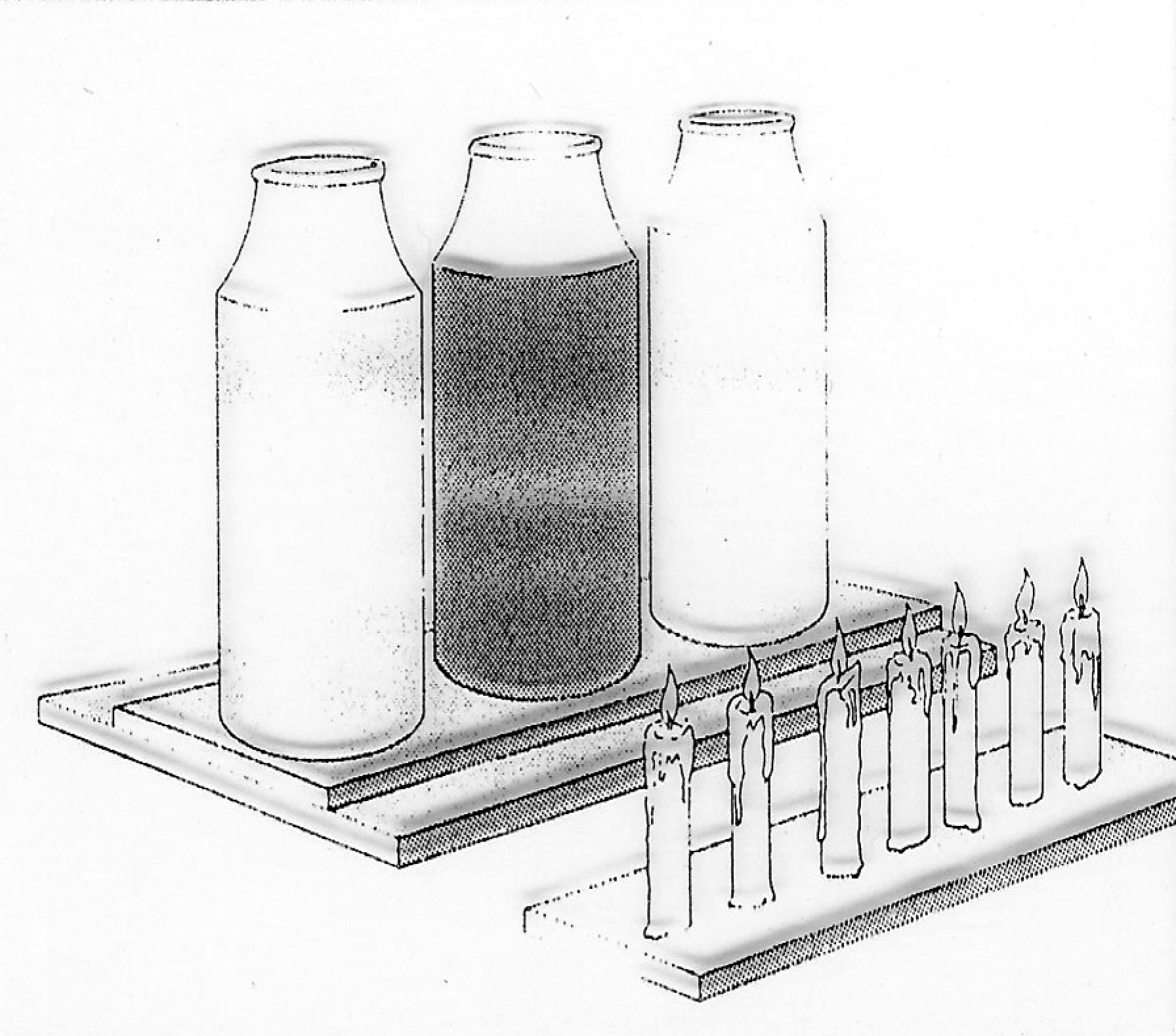
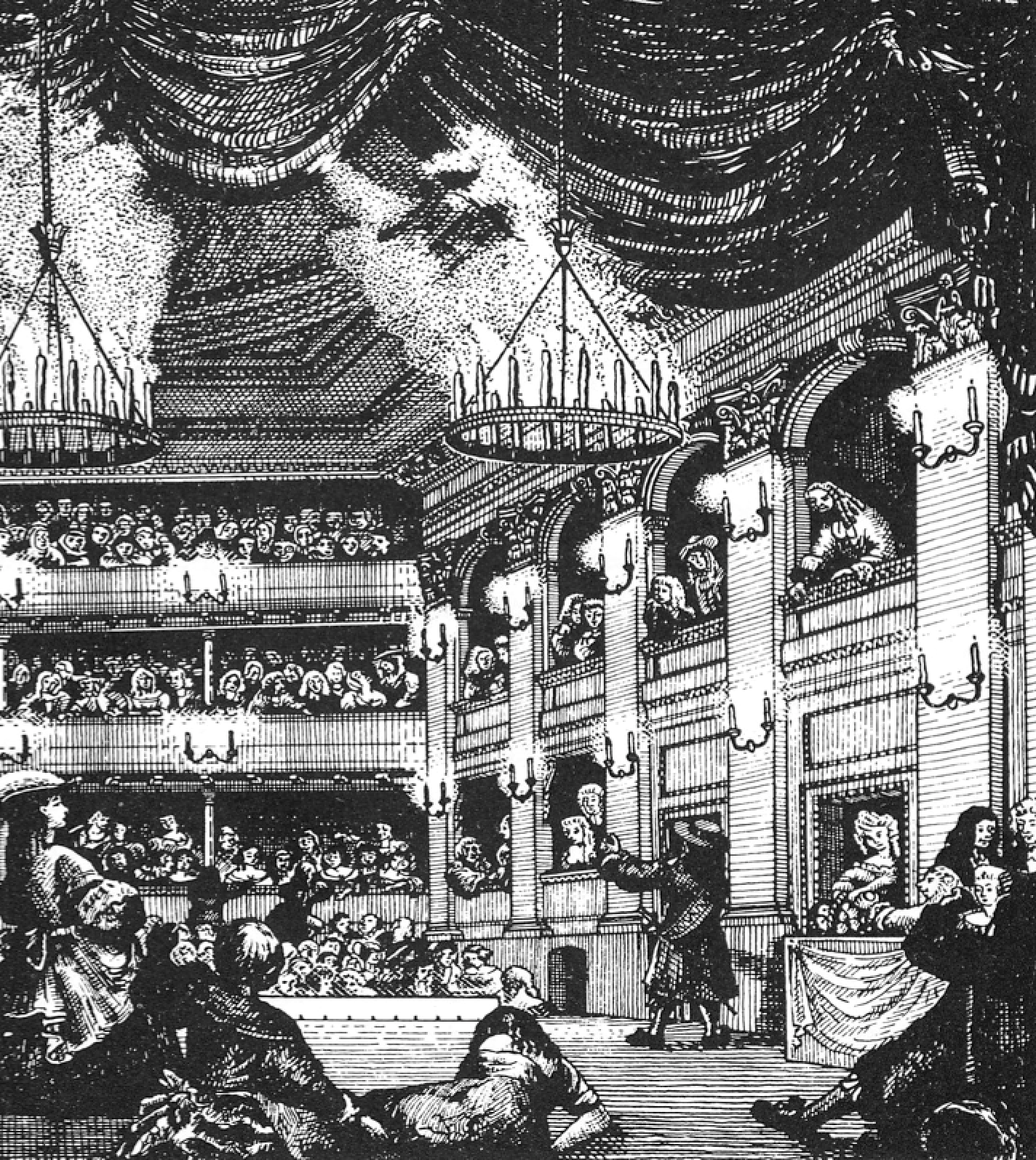
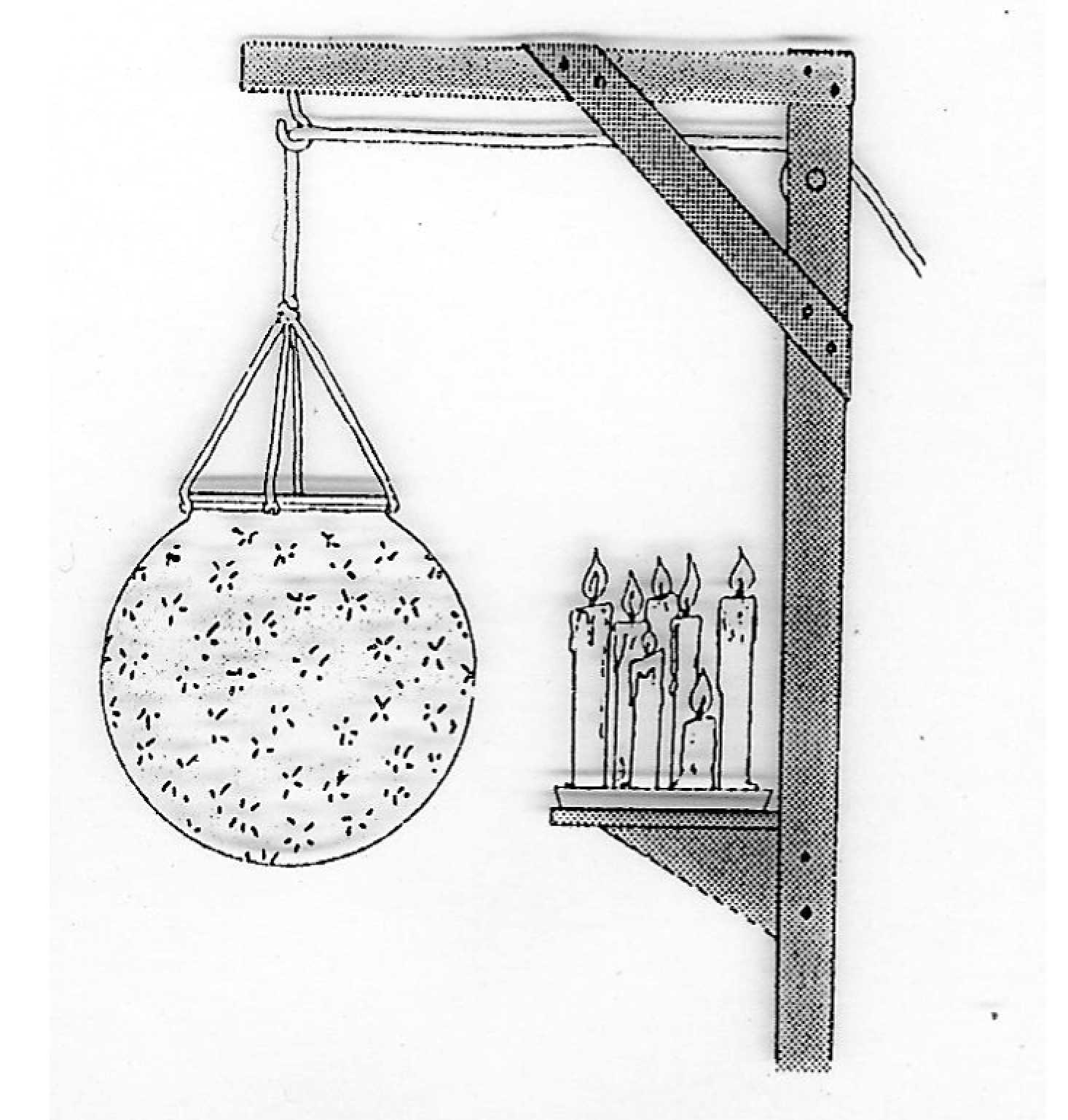
Around 1670, the use of footlight by candles can be seen in the French painting ‘Les delices du genre humain’, 1670. The painting of the Comedie Francais in Paris shows a row of small protruding flames along the downstage edge of the stage. Four chandeliers with candles are also shown, hanging above the stage. Even then “light designers” tried to make special effects with the candles. They placed bottles with colored water in front of the candles to create water effects or colored light.
The technical era in Western culture began with the steam engine by James Watt (ca 1760) and with the electric generator by Werner Siemens (ca 1866). One of the first products of the electrical engineering industry was the light bulb (Edison 1879). Since the invention of the light bulb we live a large part of the day at lamp light. The lamp is “constant ‘ if we let it change, it’s adjustable, controllable by us. This controllability of light is used for all kinds of applications, especially in theatre.