
2. Cue
2. Cue
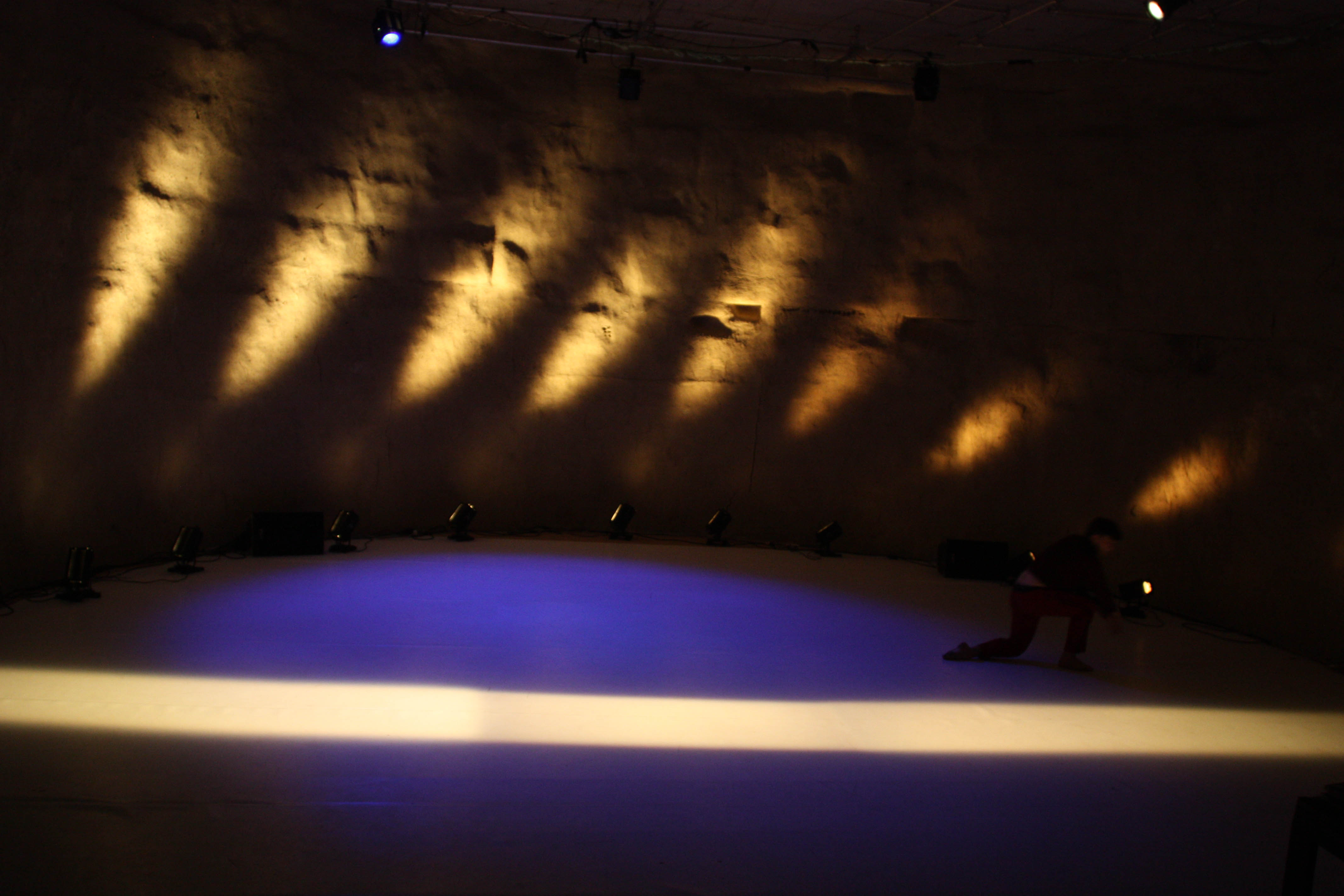
this is how a lighting atmosphere can look like at the stage

A cue is a basic brick of which the performance is built. In a theatre performance, a sequence of cues composes the lighting design. It’s prepared during rehearsals when a lighting designer uses the equipment for lighting the scene. The time when a certain cue should appear is bound to the script and this moment is called a cue point.
From the technical point of view, a cue is then a selection of channels that are stored with a certain input value for creation of a certain ambiance that was conceived with intent to affect viewer’s perception. It can be as static as dynamic.
A cue is usually created when some given channels or groups are switched on according to the lighting design and correspond to the wanted artistic expression. The comprehensive information is stored as a cue under a number or name that is in some way related to the time in the performance when it should be initiated. Every cue is recorded by a stage manager into the prompt book. During the performance, changing the cues is the task of an operator, technician who process the performance from a lighting console desk. In terms of lighting design, it is always necessary to build a lighting atmosphere with the operator first, i.e. to create lighting for a specific scene, action on the stage, from a focused setup. After all the required instruments are focused and their intensities harmonized into the desired shape, it is necessary to fix the lighting atmosphere and save it for being able to replicate it. There are several names for such an atmosphere (often based on the nomenclature of the function keys of the individual counters): but usually it’s called a cue.
These individual sets of atmosphere during a performance are arranged in a cuelist – a chronological order of cues, transitions between its items are called changes. A change can be possibly executed manually (Crossfade, a blending of current and next cue) or automatically by pressing GO button, when the change occurs with preset time and the fadeout speed of the current cue may be different from the next fadein (one also can delay or set different time according to functions on the lighting console board e.g. according to the music). This is another essential component of a lighting design – timing. In the out come, it is one of the most important components of a seen performance. Dynamics and timing of changes determine tempo and rhythm of a performance as a whole to a large extent.
A lighting designer usually suggests timing of changes (fadein and fadeout times, respectively delay), but if the operator is sensitive to the action on stage or designer himself handles the performances, he certainly chooses manual crossfade, because he is able to respond to actual events on the stage and adjust the dynamics of light changes to the tempo and rhythm of the performance, even to receptivity or reactions of the audience. (If it is possible to perceive errors in the lighting during a performance from the perspective of the viewer, one first perceives the discrepancies in timing and dynamics of change.) The above said about the timing or cue concerns theatrical space where a specific production came into existence. It can be otherwise when hosting on other venues where the operator (due to spatial and time dispositions) must resort to handling with the submasters, which are programmable “faders”, in which it is possible to record a specific cue (atmosphere) or group of lights at preset intensities and manual “pulling up” or “pulling down” of a fader to determine the dynamics of change. It should be added that the number of submasters on the control board is limited (typically 12 to X, according to the type of a control board), in contrast to the number of changes in a performance. Then the operator is required to prepare a group of lights that are used in different cue, load them into submasters and achieve the adequate atmosphere with their combinations.




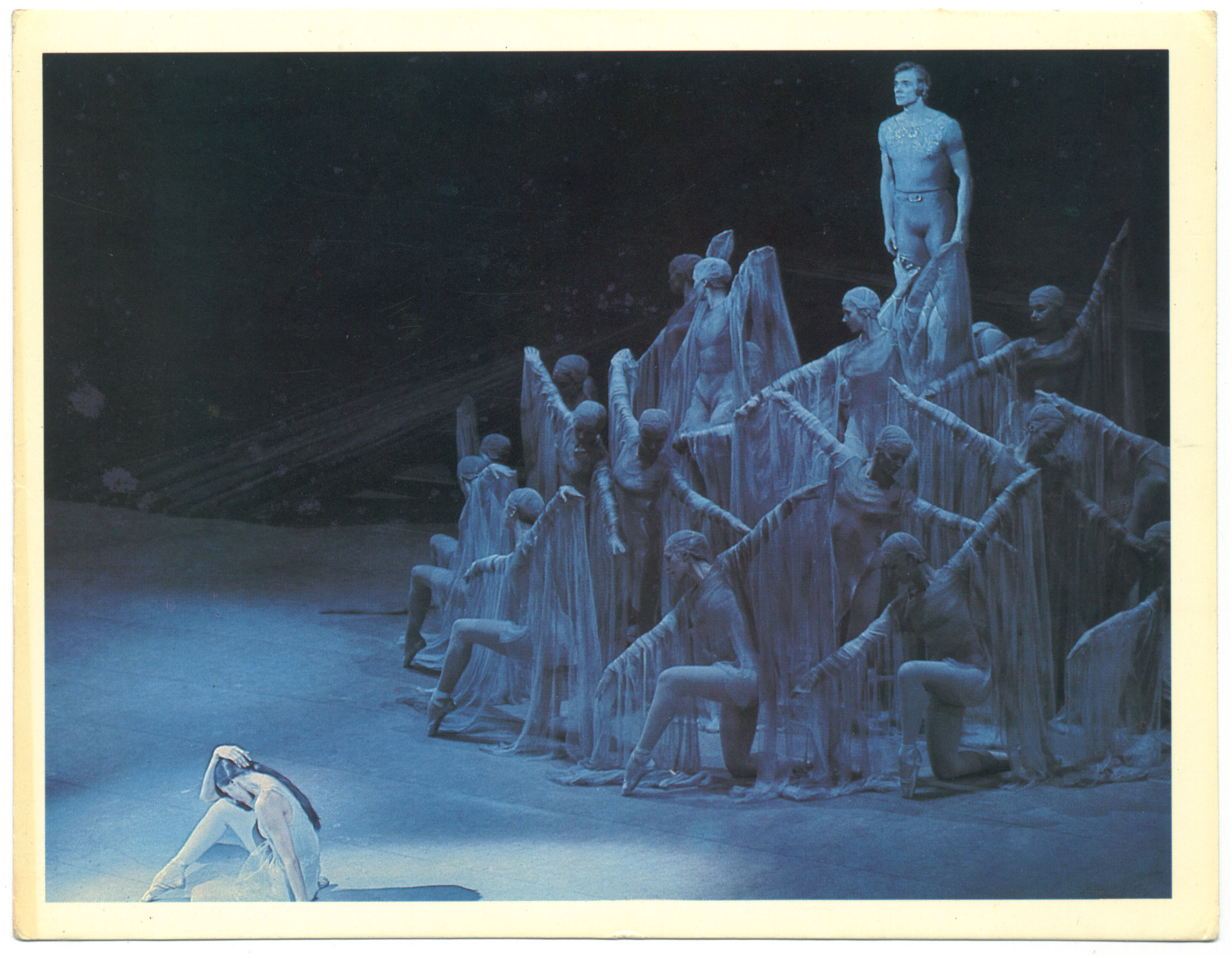


Work of the operator of a lighting control board
A lighting designer or technician – in some cases of the theater operation, the difference is almost negligible. How so? Because the task of a lighting team is to light, program and check the performance during few moments. It is therefore necessary to (in the role of a lighting designer) to get rid of the individual beliefs and enter into the field of routine terms, designations or commands that are common, understandable as to the technical team as to artistic production. The petty nuances have to be expressed by the help of other attributes, but it’s better to do so in the moment when at least 70% of the technical work is done. The basic terms are often derived from the executive buttons and command options of a conventional lighting console (though such a description is arguable and there might be a better way of describing it). A large role in it is played by logic, syntax and terminology of the console. That determines its behavior and thus in a hyperbole, it is “only human”. If there occurs a mistake, it isn’t necessarily caused by the so called human factor, as the argument goes further, because the console is able to do it, only the operator is doesn’t know how to do it. As it was once expressed : “I always read the manual only when something broke. Now I do it vice versa, and it pays off. “

An example of a lighting console: now a bit outdated, but popular and still nice for live lighting, console Strand Lighting MX; it has two crossfaders A / B and C / D, other faders to control more complex features, a range of command buttons.