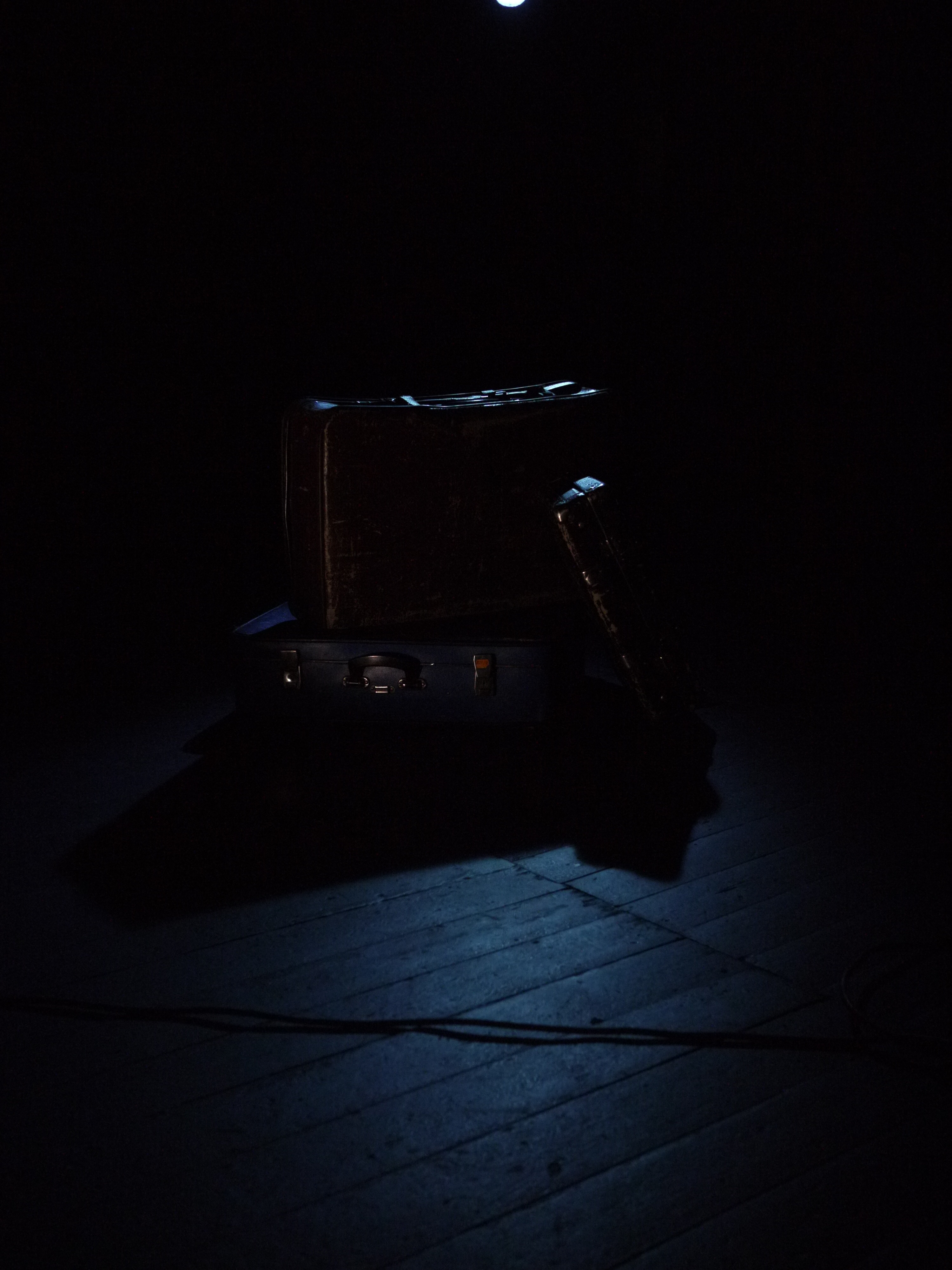
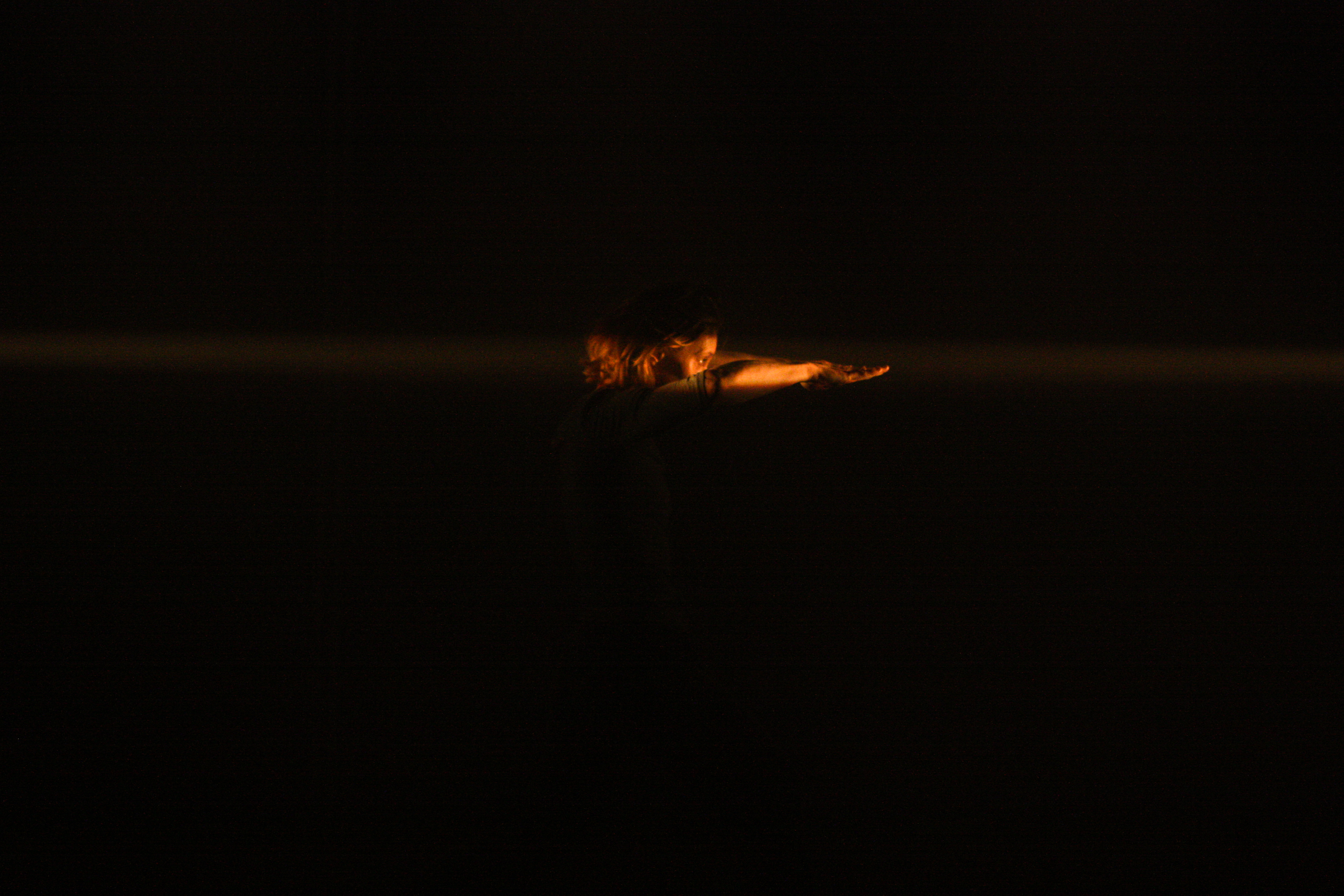
3. The architecture of light
3. The architecture of light
WE CREATE DYNAMICS BY CONTROLLING THE LIGHTS
Let’s review some information from previous lessons. The main principle is that we do not (due to its physics properties) see the light itself, we do see the light through the objects or bodies that it affects, so that the nature of those objects, the way they appear, depends directly mainly on three actions of the light into the space: almost all of the question of lighting resides here.
We do see because light generates three actions in the space.
– diffusion
– reflection
– refraction
Three actions that are possible thanks to the four properties of light:
– direction
– intensity
– color
– movement
As light has mainly 3 principle aims: the very heart of the work with light is:
– to create the space
– to create the atmosphere
On the other side: space is primarily a void, a void which can be defined by delineation of limits to it. To define a space is to give it limits, containments, either you want to give him a sense of expansion or pressure.
Space is mainly composed by 4 elements:
– volumes
– surfaces (plane or curve)
– elements or objects (bodies)
– internal void
Using this particular grammar, one defines “ lines of tension” inside the space, and so, one can begin to define a vision. In space, there lie the shapes of things that light has to animate and bring into relation. Light builds the space. The space through the action of lighting should breathe and transmit emotions or feelings. Light should participate on the structure of the show, scene by scene; underlining the rhythm of the show, bring the third dimension to life: the deepness. Particular attention has to be brought to the general equilibrium of the space: how to bring in relations objects and bodies.
The main instrument that defines the space is contrast (“a difference or an interval between two chromatic effects are directly confronted”). An image is the external shape of a body perceived by our senses; in that case by our sight. While “to imagine” is “to represent” through and in the mind.
Contrast is the basic instrument for composition with light: one can learn to recognize the different contrasts and with simple exercises, one can try to understand how they work, then to use their different powerful action into the space or defining the space itself. Using contrast, the differences in the visual field, one organizes it, one separates the things in order to see them and recognize them for unifying them in a single and coherent visual field. Contrast is the very first instrument of composition; so that the final composition offered to the audience is a useful sequence of images. An image becomes specific and carries a sense and poetry only if supported by clear intuition born on the stage, and well translated with the help of the correct lighting technique.
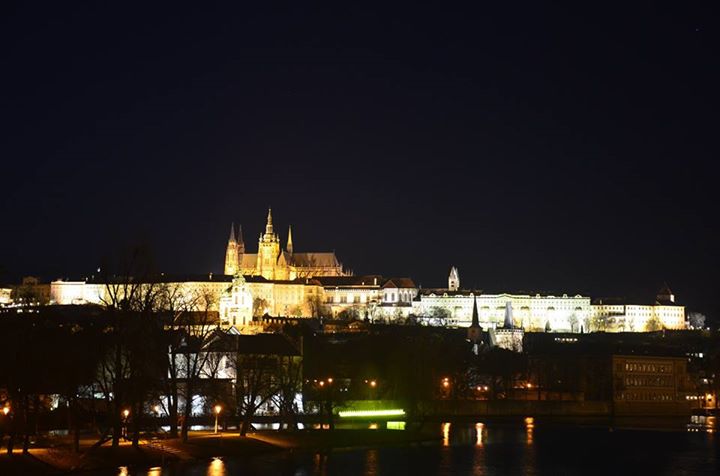
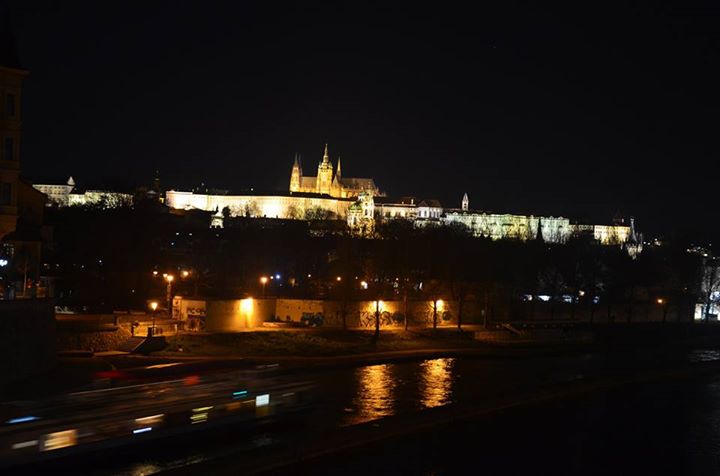
Work of Josef Svoboda





3.1 Motivated lighting
Simulation of weather in theater with light
It is quite simple to create lighting for a scene so that there would be an obvious difference between day and night time. For noon , it is possible to simply flood (warm with yellow filter) the stage with light and for “night” to lower it or to use blue (cold) filters. For completion of a sunset can be used a tinge of red light. Simply to achieve authenticity as nature suggests. Warm summer and cold winter days can be told apart easily using warm and cold colors. Another option is to supplement these effects by other scenic effects, e.g. the sound of wind, rain, etc.
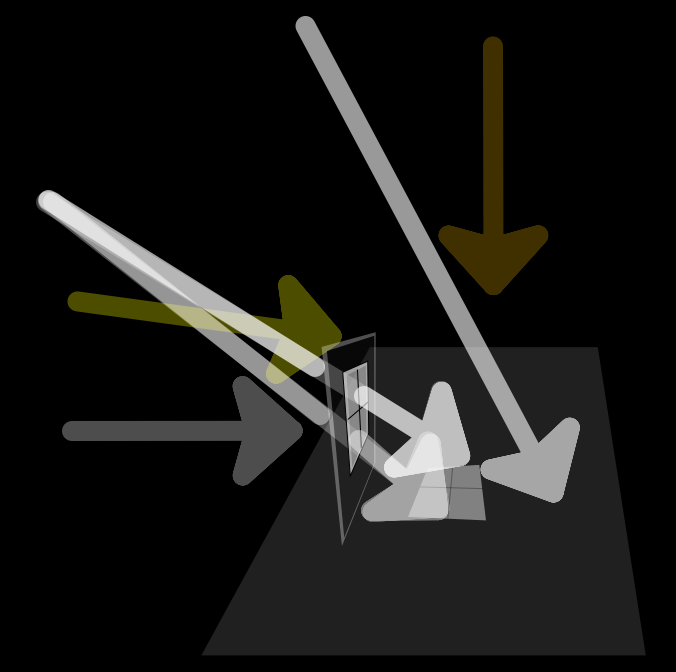
Creation of morning light with the help of orange, yellow and white light.

Creation of the atmosphere before noon by using orange light.
However, the center of interest here is mainly an effort to achieve a variable effect either when there is a shift in time in the plot, or just to evoke a changing atmosphere in the scene. It is unthinkable in the interior space to open the windows and hope that the expected atmosphere simply happens. It is a nonsense, partly because there shouldn’t be any windows in a theater hall and secondly because the performances usually take place in the evening, so almost every time, it is necessary to create a daylight scene using available light. It is thus possible to determine the basic characteristic rules, with which one can be inspired:
– spring and summer can be induced by warm colors,
– autumn and winter can be achieved by cold colors,
– shadows are longer in the morning and evening than at noon,
– it’s possible to create solar or lunar rays by one source of strong light,
– cloudy sky can be achieved by diffuse lighting (frost filters or fluorescent sources of light), or in other words, with light without actual shadows.


In stage lighting, there are several problematic factors while creating atmospheres of weather. The first is the multiplicity of lighting instruments which often create multiple shadows for one object (actor) and therefore it is not possible to use a suitable lighting instrument in the area of a large stage that could throw the light over the whole stage in a way that everything would have a single shadow. For the shift in time within the plot, it’s necessary to arrange more of such instuments or at least somehow to arrange the movement of this single source closer or vice versa further towards the stage. Due to the laws of physics, it is known that intensity of lighting decreases with the receding source of light. Using common sense, it’s therefore possible to eliminate the use of a single source of light and that’s because it would have to be somewhere in the auditorium, which is quite not possible in reality. It is therefore convenient to focus the light in one direction, although it is used from multiple lighting positions (front ramp / bridge – FOH, proscenium bridges, false proscenium, fly bars etc.). For instance in this case, it is then necessary to increase the intensity of the right side of instruments more than the left side. The left side should throw light negligibly, so that the performers wouldn’t be completely left in the dark for the left side of the auditorium (if it isn’t the intention). It is achieved by this that the actors have their left cheek lit more than the right one all over the acting area. There are then more shadows visible at the stage, without viewers being aware that there is only one shadow and only single direction of shadows visible in the world outside of the theatre. To the human eye, the decisive is the view into the face and not onto what is behind the characters.
A related problem is often insufficient space – a distance and (un) suitable height – for placing sources of light in such a way that it would be possible to create long shadows. Distance is related to loss of intensity of lighting and on the other hand, the height with the availability of placing the source of light. The source shouldn’t be right in the viewing angle between the audience and the acting area. The positions can be complicated even for the side lighting ( units placed from sides), which are too low, because of the location of the entry area for an actor or manipulation with scenic elements. In addition, they can be easily blocked either by accident or by negligence. Therefore, it is sometimes necessary to think over the right position of the source of light, which produces a long shadow. It is also necessary to perceive that the long shadow and stray light around the object casting a shadow may inappropriately throw light at the background and the things that are meant not to be seen. Another problem may be the total number of instruments, which are available to a lighting designer. There should be as many as possible of them to create the most realistic effects. But even with a small number, it is possible to create a perfect illusion – it just takes a bit of ingenuity.
It is often possible to choose already used lights (directed / focused) or to create an effect from a basic lighting of the scene. Another possibility that is offered by the theater (and the entire theater space) is the use of signs and symbols. One precisely and clearly visible backlight unit with yellow // orange filter labeled as sun – the audience would not have a problem to understand that when it shines, it is obviously a beautiful sunny day.
Royal Opera House, 25. 1. 2015