
Lesson 2
Lesson 2
1. Nature of light
For long time, people were trying to describe the light – it was thought to be small particles traveling from light sources to eyes. Other theories came into existence, saying that it has the nature of a wave in environment. At the beginning of the 20th century, physicists discovered that it could be described either as a wave or as a particle. This can be very confusing, but don’t worry, for description of our common visual experience, we will treat it only as a wave here.
Light is electromagnetic radiation, like x-rays or radio waves are, within a certain portion of the electromagnetic spectrum. We speak of visible light when it is visible to the human eye and is processed by the sight.
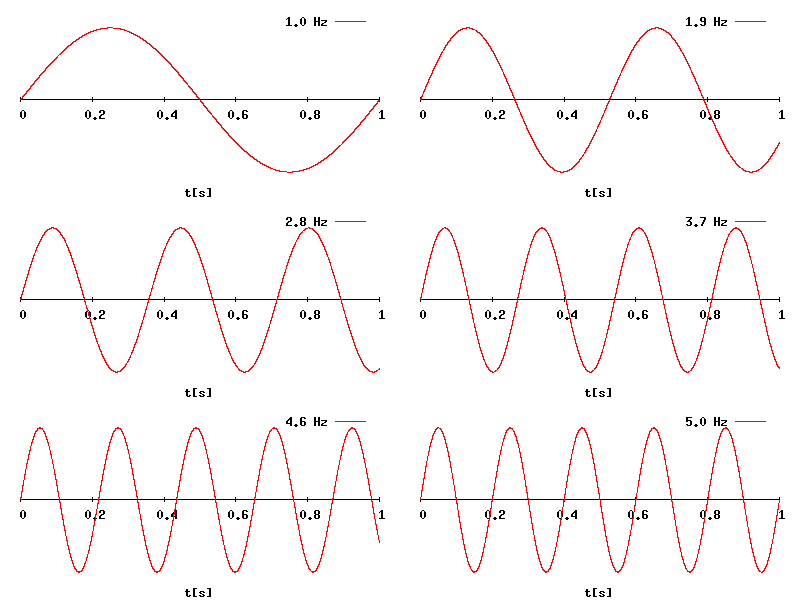
We can characterize light by its wavelength – simply how long is a single wave or more academically, the distance between the same phase of two near-by waves. Or we can characterize it by its frequency, which is simply the speed of wave motion – an amount of waves per second (in hertz).
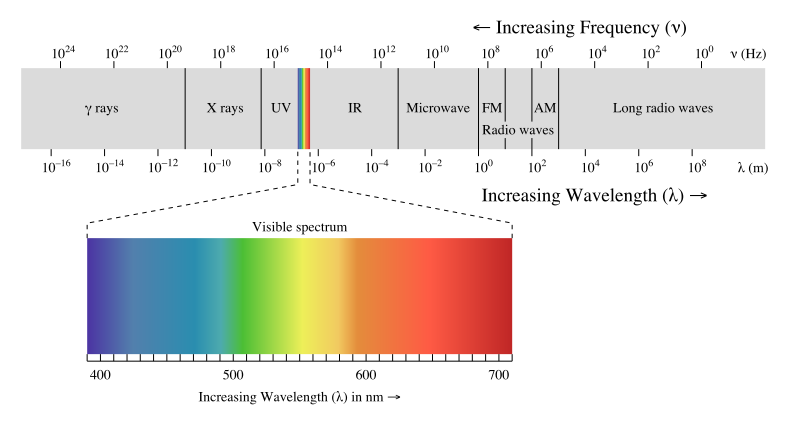
Visible light is usually defined as having wavelengths in the range between 380 and 740 nanometers (nm) – between the infrared (with longer wavelengths) and the ultraviolet (with shorter wavelengths). Often, infrared and ultraviolet are also called light, although they are not detectable with the human sight.
The speed of light is constant in vacuum according to the Einstein’s theory, but the speed differs in relation of the nature of environment. Not only light as such, but some of its wavelengths are slower than others. Violet and blue light is slower than orange and red.
Things that emit light are called sources of light. A source of light transforms various sources of energy (electricity, chemical, nuclear) into light.

2. Light propagation
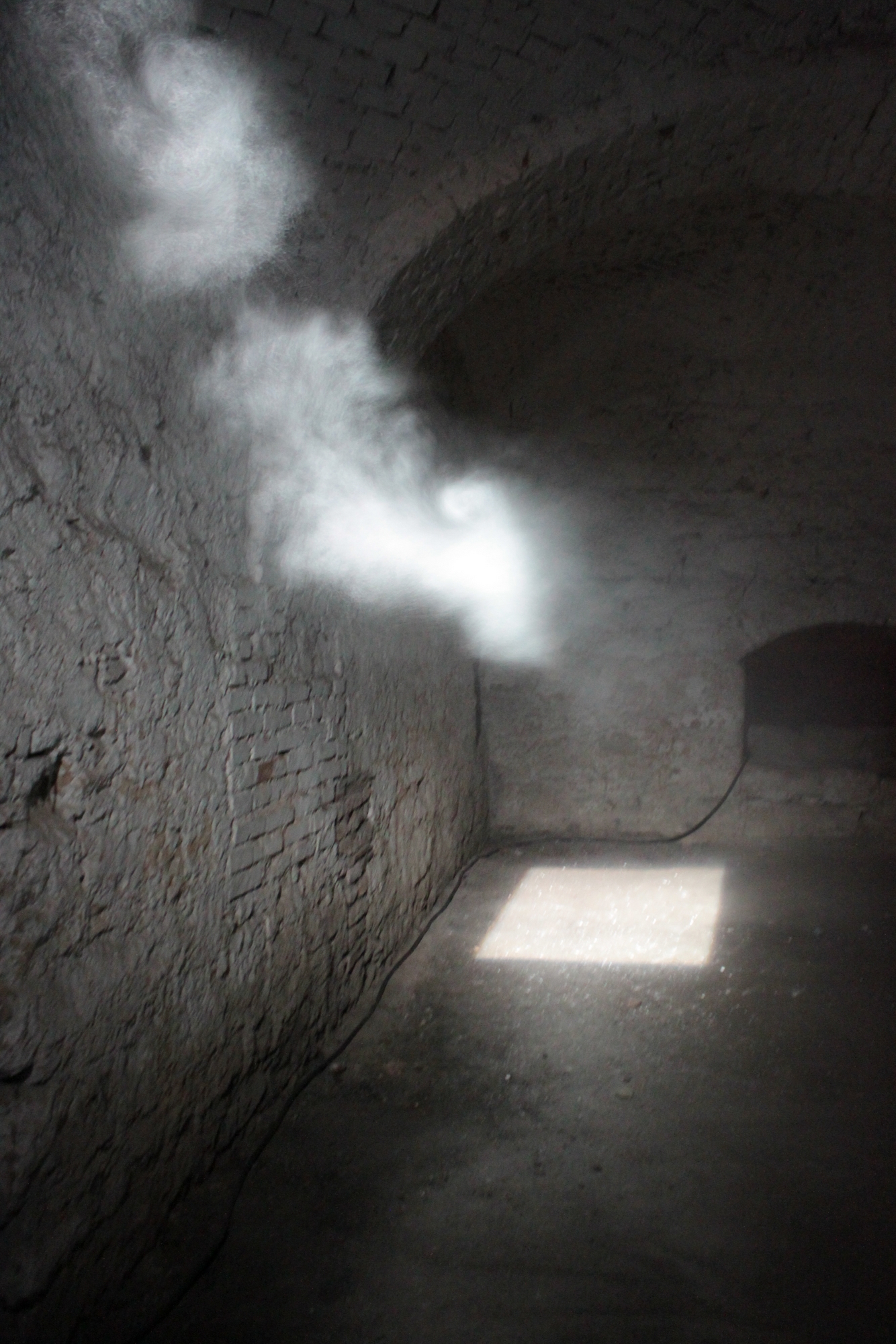
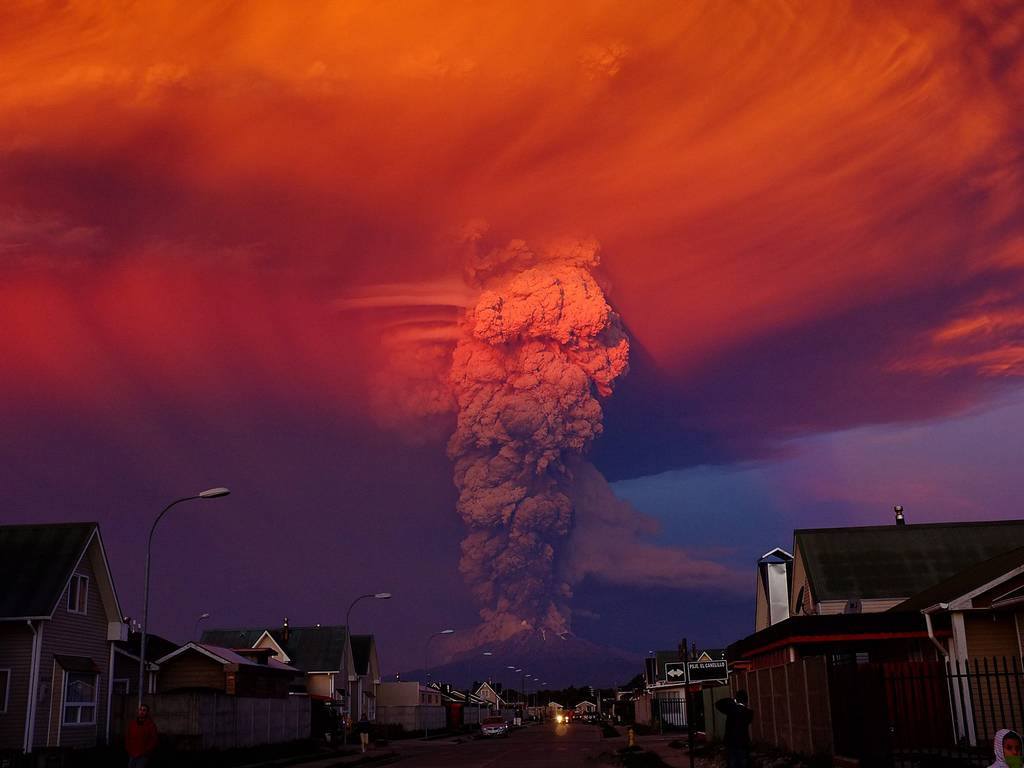
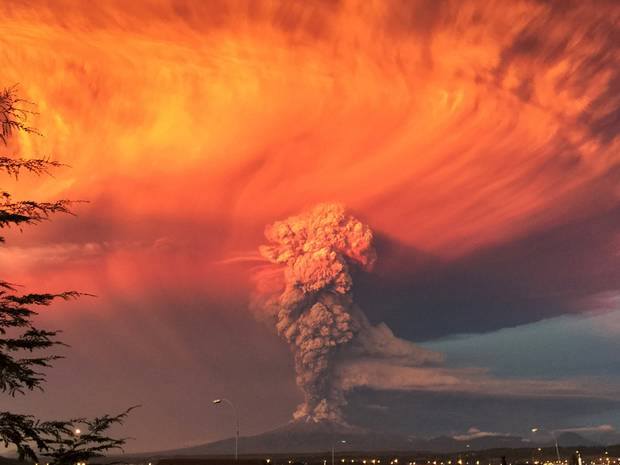
As said in the quote above, we can’t see the light itself, but its reflection from the obstacles. The light is being reflected differently from different obstacles – this constitutes the appearances of our material world. So how does the light behave in different conditions of our material world? It moves in direct lines unless the environment changes, what happens next depends on nature of the environment. It can pass through, it can be reflected or it can be absorbed.
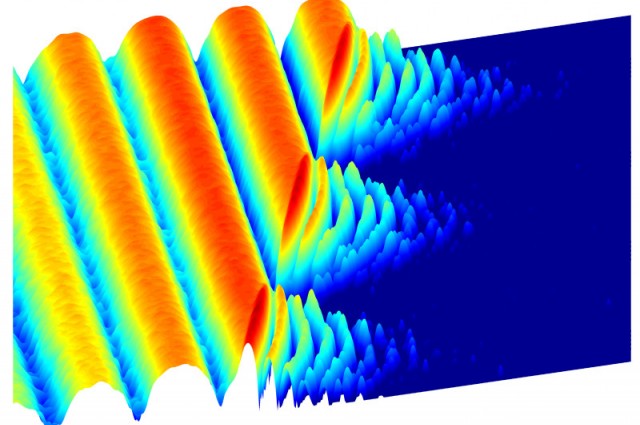
If the light penetrates through such an object (or environment) without being dispersed to several directions, we call that object transparent – like air, clean water, window or gel. Altering of direction of the light when passing from one environment to another is called refraction and is scientifically described by Snell’s law.
In general, we can say:
– the refracted beam remains in the plane.
– the angle of refraction depends on the angle of incidence, nature of the materials and on the wavelength of light.
If the light penetrates through an object, but it is dispersed in several directions, we call that object translucent. For example a matt surface window or air full of haze.
Non-transparent or opaque materials don’t allow light to pass through – the light is either absorbed or reflected.
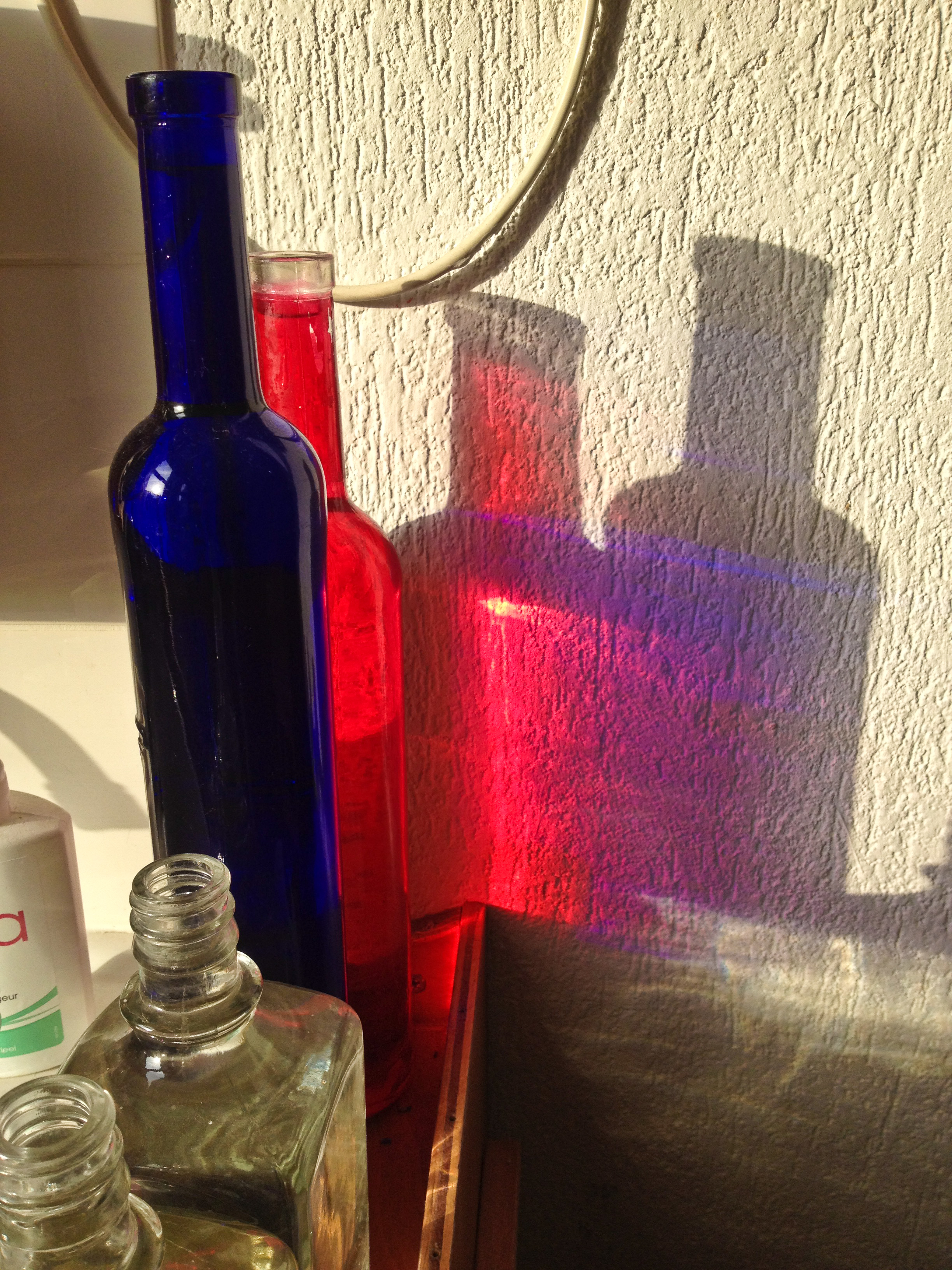
Transparent ambiance
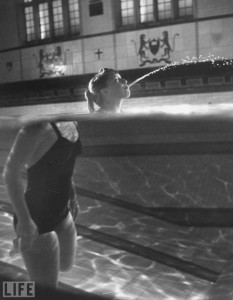
Refraction. Photo by George Silk for Life magazine.