Lesson 5
Lesson 5
1. Goals of lighting design
What kind of a world is to be shown to the spectator? Which clues are to be given to him? As much as a performance concerns, a lighting designer should have an idea what kind of lighting he wants to have in the key moments of the performance. Naturally, it can be on hardly worked out in very specific details right away.
The priorities of the performance and of the plot have to be taken seriously. They are determined to a large extent by the type of a performance and in the first place by the fact, whether the spoken word is in the center of attention.
Actors, especially in drama, have to be seen rather clearly, unless there is an artistic reason for the opposite. It is harder to understand anybody, to whom one cannot see into the face. This fact is well known to those who master a foreign language to some large extent, which is still however not completely perfect. Gesture and facial expression help to understand us considerably the content of the message. Thus even people who have fairly mastered a foreign language face rather harsh difficulties to understand, while speaking on the phone as deprived of many other clues that usually buttress the communication.
The actors during the performance are usually directed to each other, unless they don’t utter an important monologue towards the audience. The lighting then has to combine these two requirements.
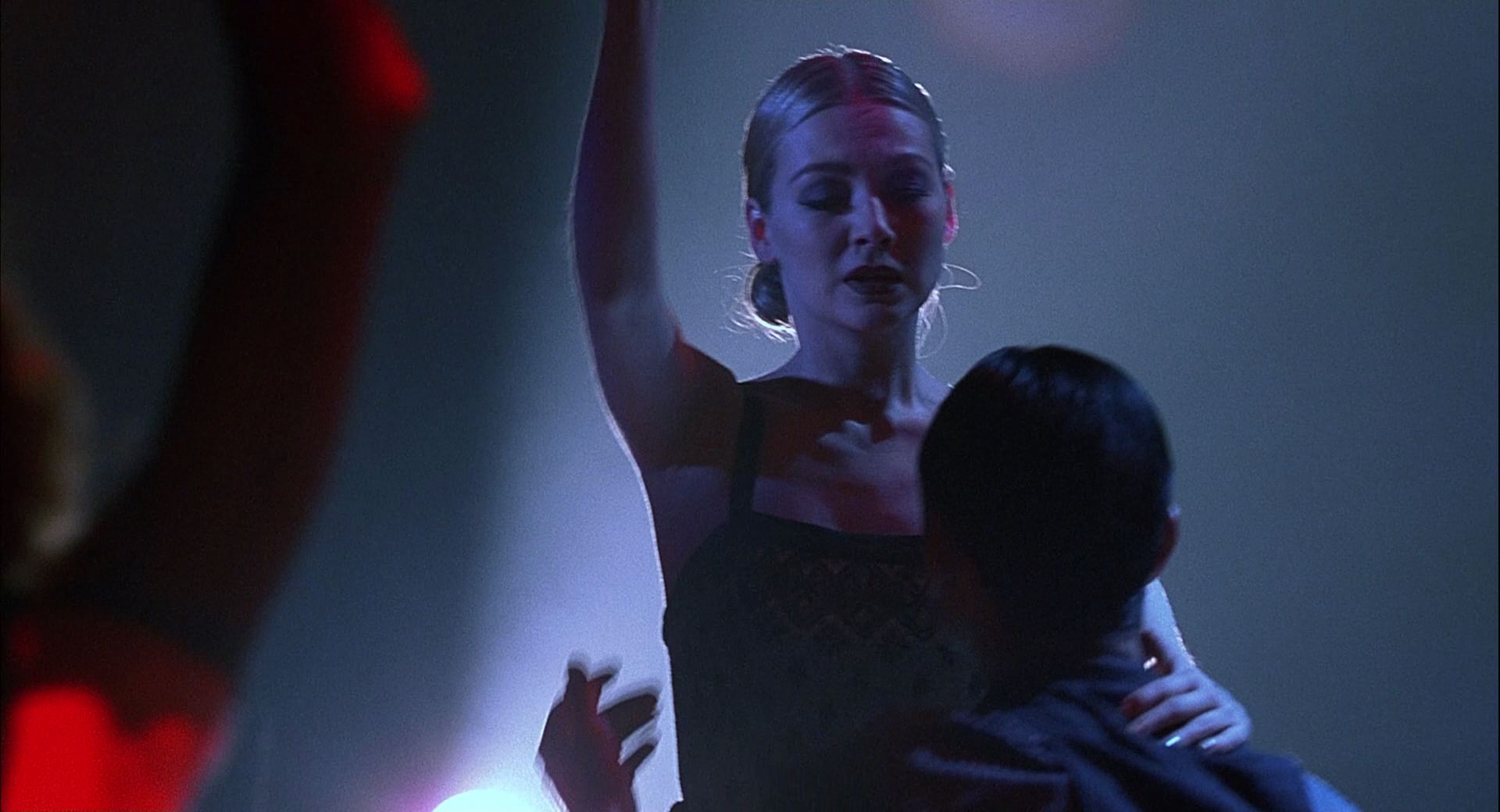
On the other hand in music and dance, it is preferred to attract the attention to parts of bodies, concerts require some kind of harmony with the music, installations may have different goals.
Several questions, which are to be taken care of by the creative team, concern the rhythm of the performance and what is the role of light in each section.
– Various places – if the drama plot develops on more locations, would it be convenient to assign one color, quality or position of light to a specific place?
– Various times – when it is convenient to evoke various daytimes, can they be indicated by positions of lights of rather by a change in colors?
– Various emotions or psychological states – can a certain color, quality of angle of light be used for it?
– Various modes of reality – dream vs. reality, desire vs. reality.
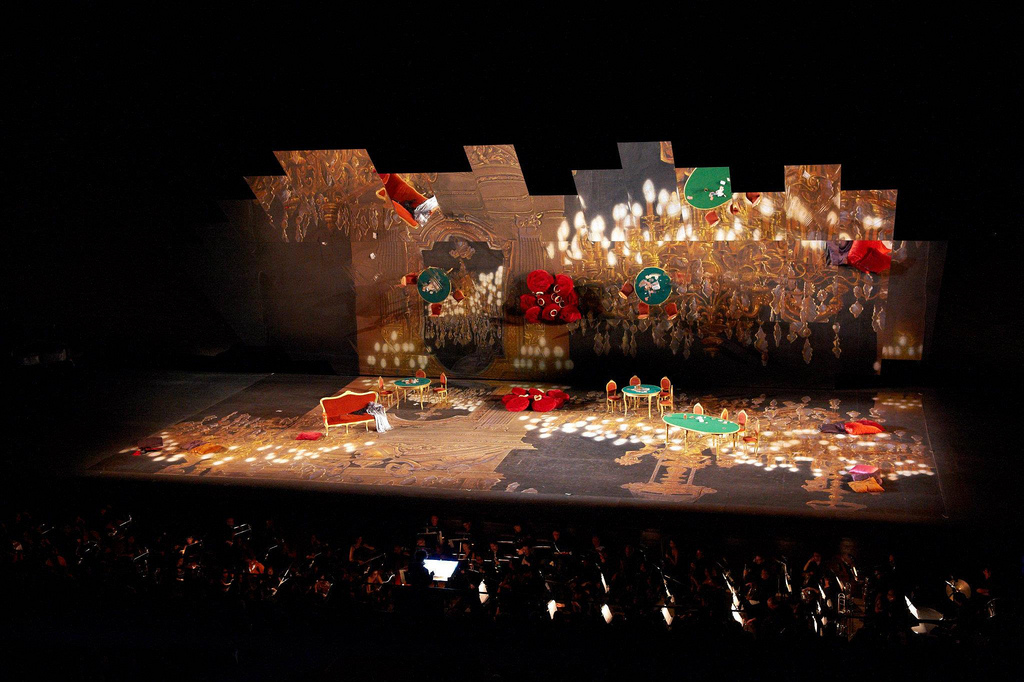
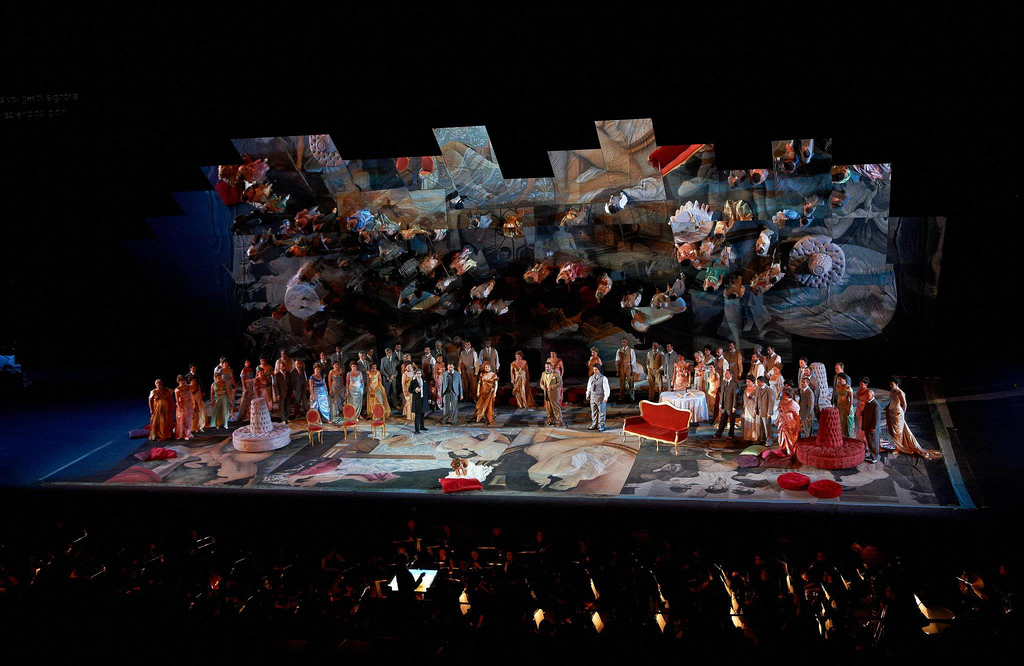
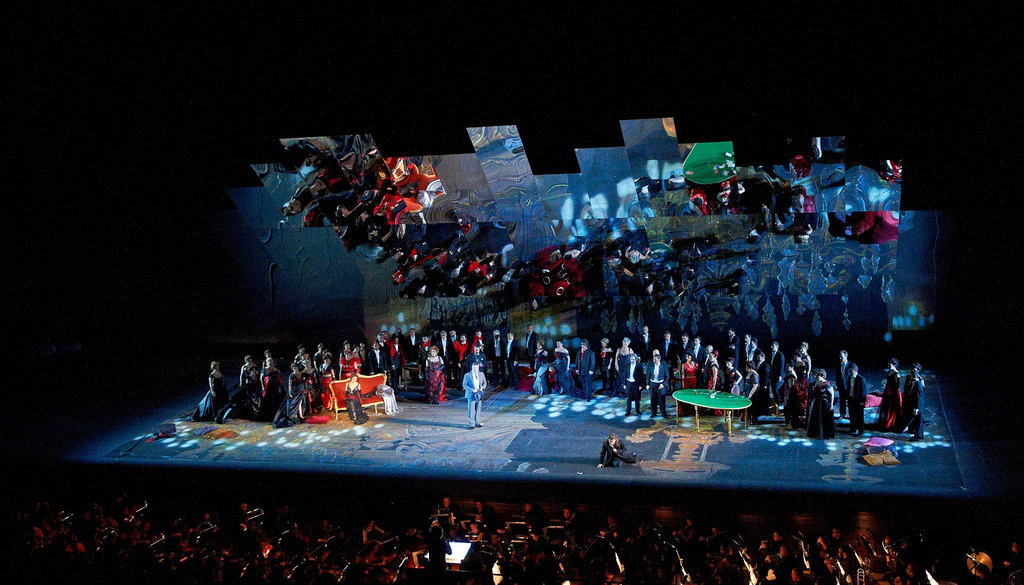
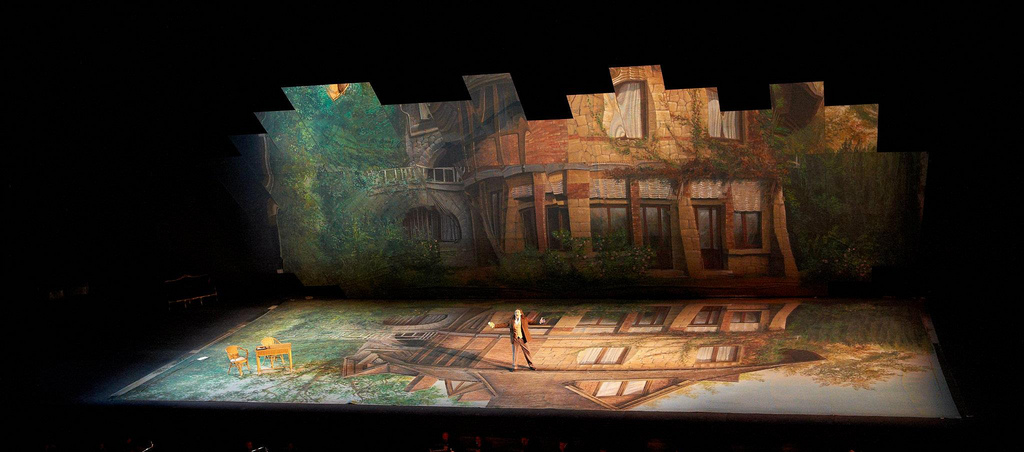
Don Giovanni, Prague, design Josef Svoboda (foto: Hana Smejkalová) 2006.


Framing and the center of attention.
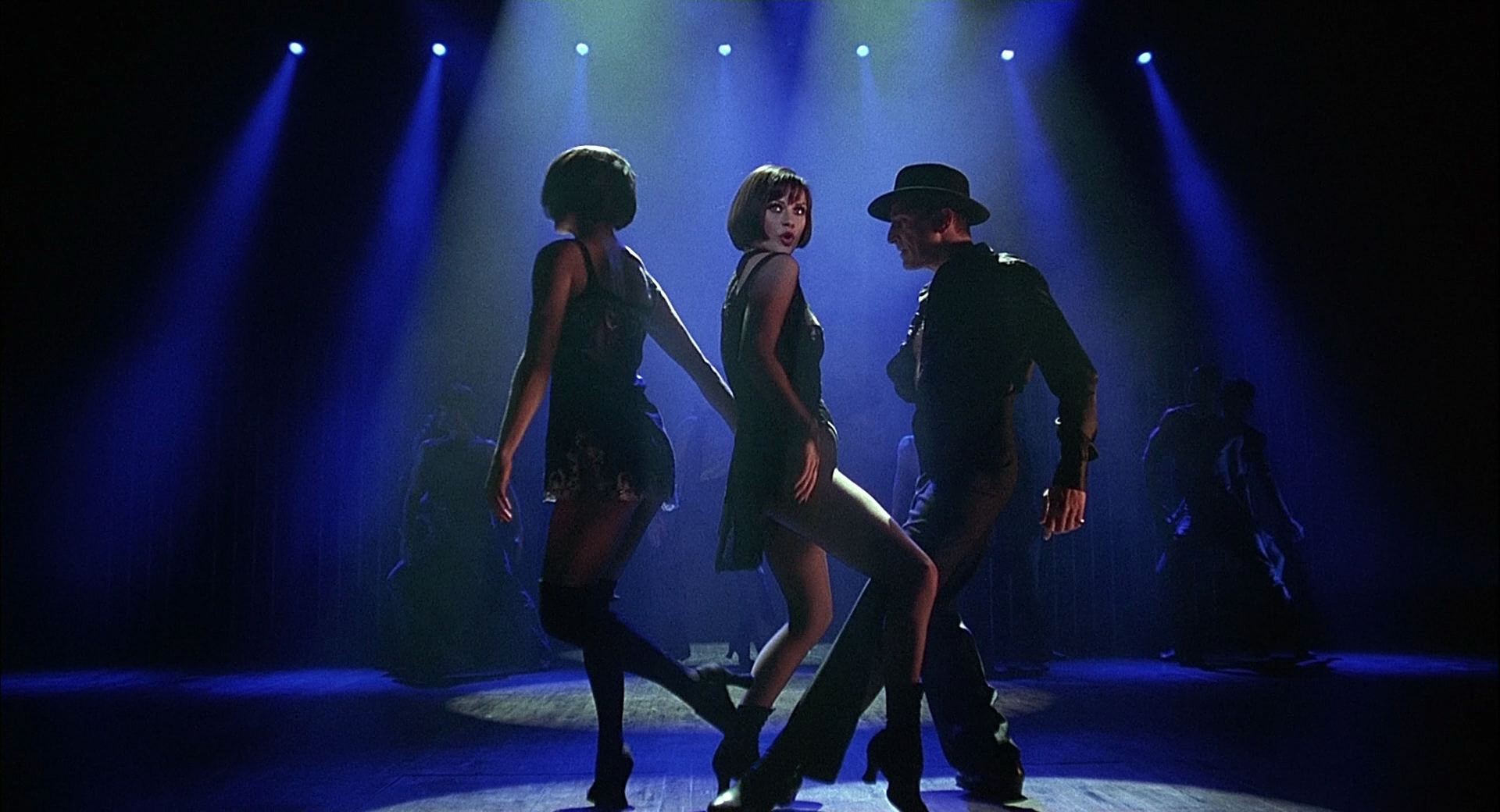
Lighting determines, which part of the stage are to be seen and which are not. Lighting determines framing of the scene and the center of attention and thus can significantly influence the final result. Sharp angles of light in drama situations might enhance the drama effect. Some actions can be made by lighting as fire with blinking red of orange light, light penetrating through threes with gobos in soft focus.
Lighting of a performance can be described as four interrelated categories of intensity, location, color, shape, which all are in relation with time.
1.1 Intensity
As much the intensity concers, one of the crucial decision is to determine, which shapes and how many of separated areas are to be lit during one sequence of performance – cue. The position determines location and direction of a light source.
1.2 Position of the light beam
in the space, from where the light comes from, what stands in its way, how hits the target, and what happens next with cast shadows. It is called a focus.
Angle of lighting influences perception of the things within the sight, scene or close to the act.
See lesson N. 4
1.3 Color
See lesson N. 2
1.4 Shape
The shape including the edge of light, whole beam and quality of light. The main distinction between various types of light lies in this aspect. The shape is a label for edges of the light beam, the entire beam and quality of light. It concerns a description of influx of light. Light beams can be with sharp or blurred edges, with or without increasing or decreasing intensity. To shape the light beams, shutters are one of the main tools.
A lighting designer in a theatre would be familiar with theoretical and practical side of technical equipment that creates the cue at the stage, he should be able to imagine, how the lit scene would look like and what impact would be induced by changing cues.